


Pet Food Packaging: Best Pouch Type for Kibble vs Treats

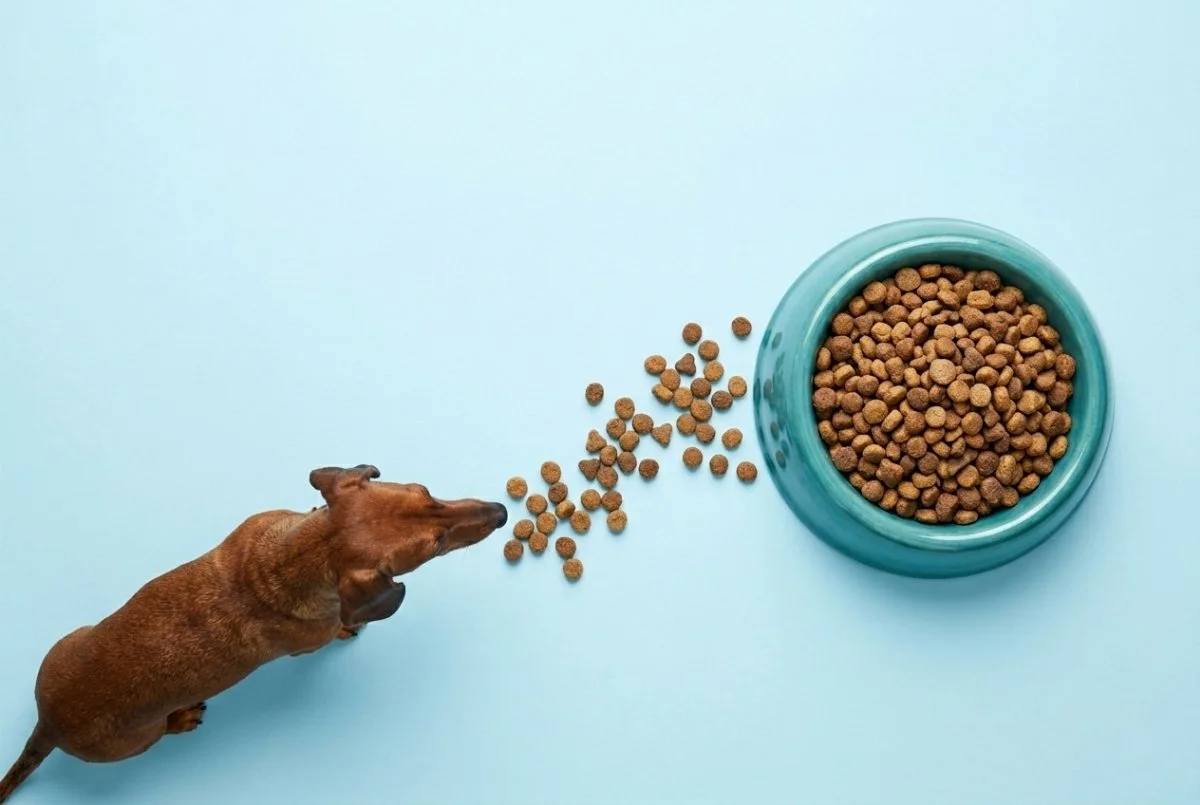
If you run a pet food brand, a pet treat brand, a private-label pet product line, or you are about to launch your own packaged pet food range, your pet food packaging is one of the first decisions that shapes how your product performs. Kibble and treats look like neighbours on a shelf, but they are eaten differently, stored differently, and bought differently. This means they need different pouches.
Pet food packaging is the flexible or rigid packaging used to contain, protect and present pet food products at retail and online. The right pouch protects freshness, makes the product easier to store and use, and helps the product earn attention at the shelf or on a product page.
The global pet food packaging market reached USD 11.36 billion in 2025, and pouches are now the top-selling format. That makes pouch design a real competitive advantage, not just a finishing touch.
table of Contents
No elements found...
Why Pet Food Packaging Matters
Pet food packaging is not just a wrapper. It is the layer that protects what is inside, decides how easy the product is to live with, and tells the customer what your brand stands for before they ever taste-test it on their pet.
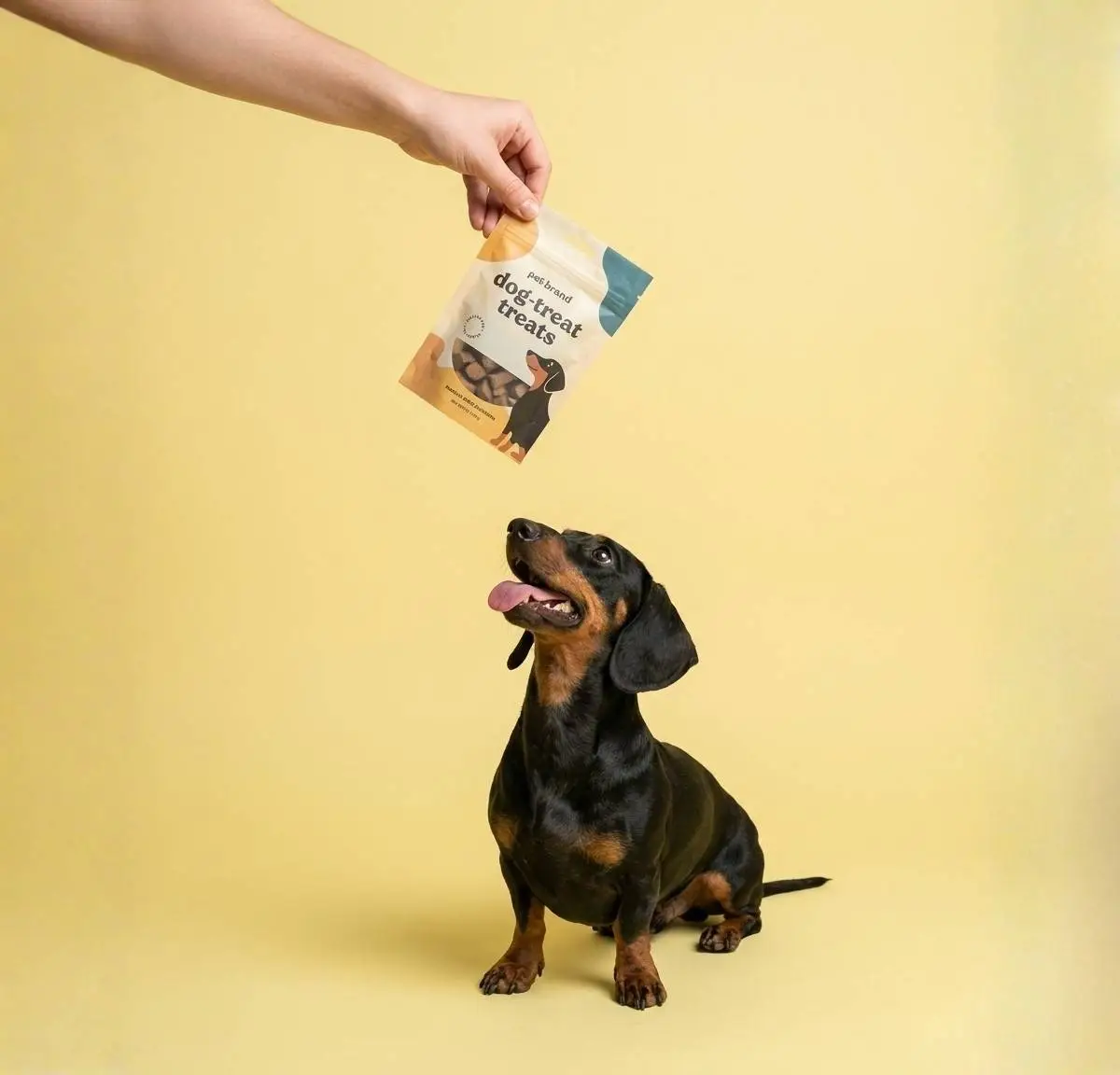
Freshness and quality
Kibble and treats both contain fats and proteins that go stale or rancid when exposed to oxygen, moisture and light. The pouch is what keeps the product tasting and smelling the way it did the day it was packed.
Storage and convenience for pet owners
Owners want to grab, scoop, reseal and put away. A pouch with a working zipper and the right size for repeat use earns repeat purchases.
Shelf appeal and brand presentation
In a pet shop or on a Shopee/Lazada product page, your pouch is competing with dozens of other bags. Print quality, finish, and a stand-up format help the product get picked up.
Freshness and quality
Kibble and treats both contain fats and proteins that go stale or rancid when exposed to oxygen, moisture and light. The pouch is what keeps the product tasting and smelling the way it did the day it was packed.
Storage and convenience for pet owners
Owners want to grab, scoop, reseal and put away. A pouch with a working zipper and the right size for repeat use earns repeat purchases.
Shelf appeal and brand presentation
In a pet shop or on a Shopee/Lazada product page, your pouch is competing with dozens of other bags. Print quality, finish, and a stand-up format help the product get picked up.
Kibble vs Treats: What Makes Their Packaging Needs Different?
Kibble and treats look similar to a casual shopper, but they behave very differently in the home. Kibble is a daily staple, bought in larger volumes, and stored for weeks. Treats are a smaller, more frequent purchase, opened many times a day during training or rewards, and usually finished faster. That is why their pouches are not interchangeable.
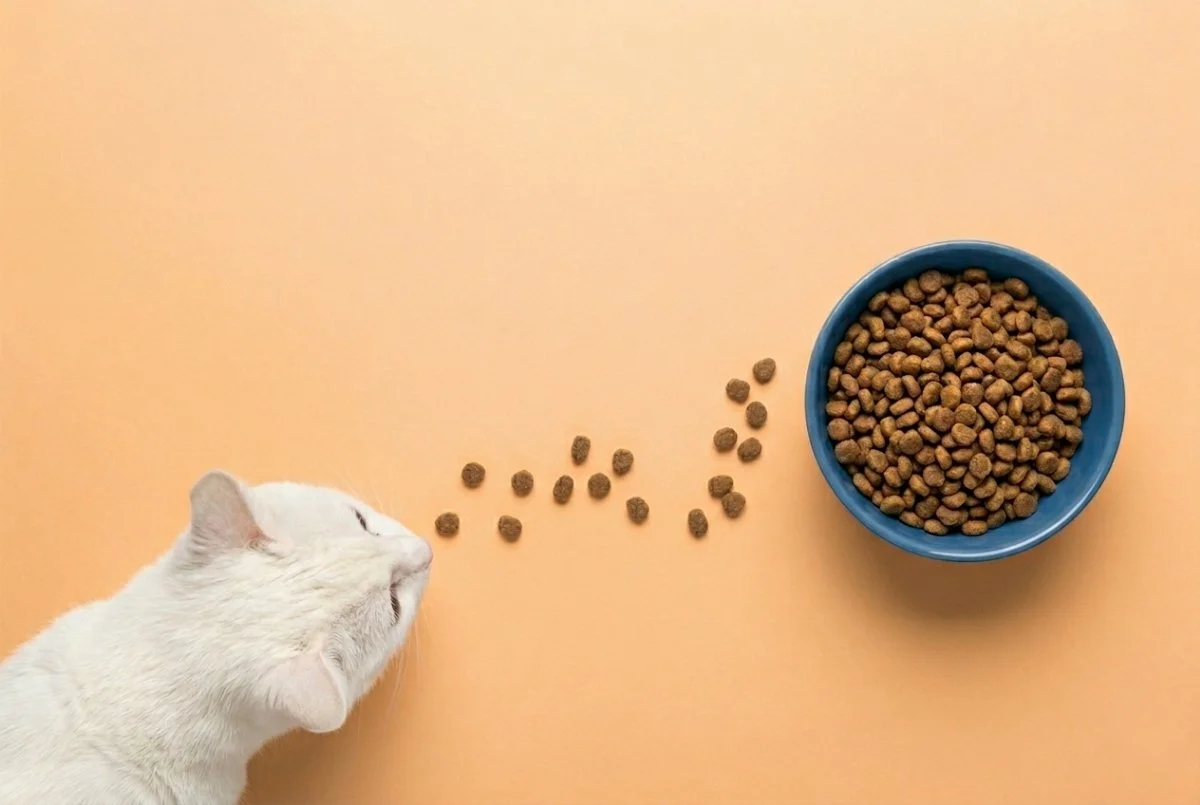
This difference shows up clearly in how brands segment their ranges. Dry pet food is sold in dedicated product lines by Royal Canin and Whiskas, typically as multi-size bags. Treats are presented as a separate product family by brands such as GREENIES, typically in smaller resealable pouches sold by count or weight. The packaging is segmented because the buyer behaviour is segmented.
This difference shows up clearly in how brands segment their ranges. Dry pet food is sold in dedicated product lines by Royal Canin and Whiskas, typically as multi-size bags. Treats are presented as a separate product family by brands such as GREENIES, typically in smaller resealable pouches sold by count or weight. The packaging is segmented because the buyer behaviour is segmented.
Key Things to Consider Before Choosing a Pet Food Pouch
Most first-time pet brands get stuck on look first and function second. Reverse the order. Spec the four points below before you brief a designer, and your pouch will work in real homes — not just on a moodboard.
Pack Size and Capacity
Pouch size should match product weight, density, and how the customer will actually buy it. A 250 g treat pouch and a 7 kg kibble bag are not the same conversation. Get the volume and weight right before anything else.
Barrier and Freshness Protection
Barrier is the part of the pouch a customer never sees but always feels. Multi-layer films with an inner sealant layer (PE or PP), a barrier layer (often aluminium foil or metallised film), and a printed outer (PET or biaxially-oriented nylon) protect kibble and treats from oxygen, moisture and light.
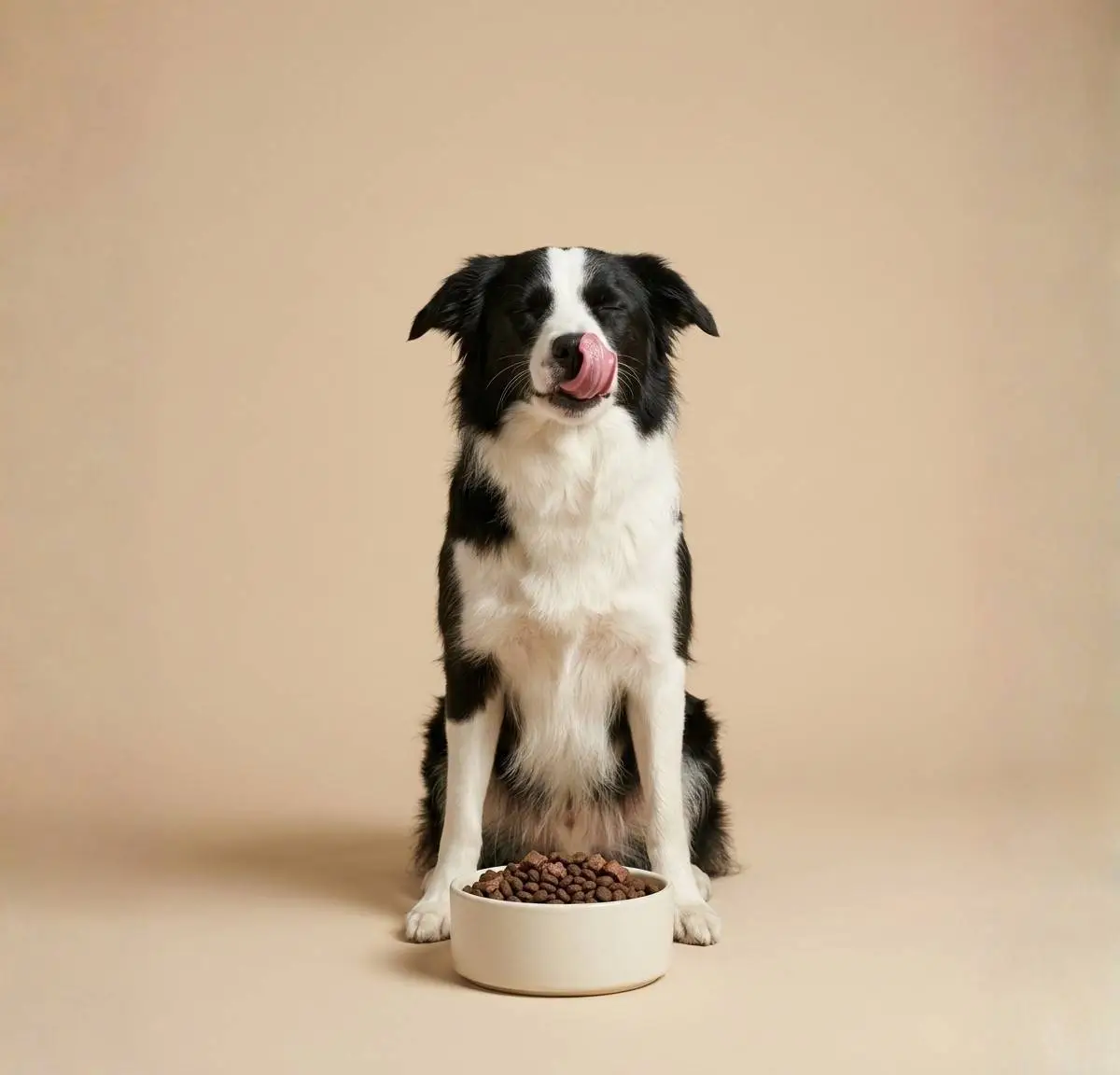
Barrier and Freshness Protection
Barrier is the part of the pouch a customer never sees but always feels. Multi-layer films with an inner sealant layer (PE or PP), a barrier layer (often aluminium foil or metallised film), and a printed outer (PET or biaxially-oriented nylon) protect kibble and treats from oxygen, moisture and light.
Resealability and Convenience
A resealable zipper is a freshness tool and a daily-use feature in one. For treats, owners reach in many times a day; for kibble, the pack might stay in a kitchen cupboard for two to four weeks. Both need a closure that works on the hundredth open, not just the first.
Design and Shelf Impact
The pouch is your brand's loudest billboard. Print finish and structure decide whether shoppers pick it up before they read the ingredients.
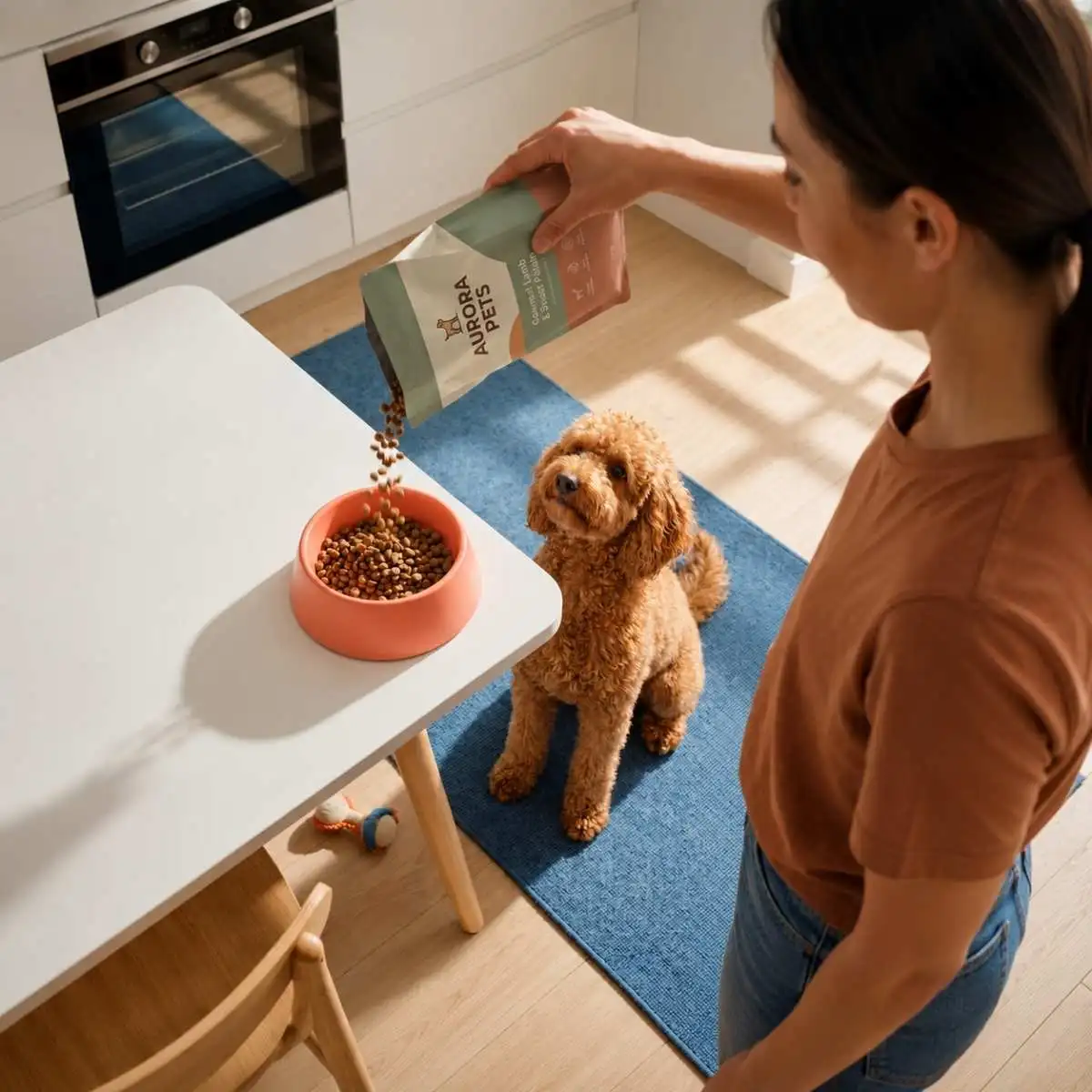
Most first-time pet brands get stuck on look first and function second. Reverse the order. Spec the four points below before you brief a designer, and your pouch will work in real homes — not just on a moodboard.
Pack Size and Capacity
Pouch size should match product weight, density, and how the customer will actually buy it. A 250 g treat pouch and a 7 kg kibble bag are not the same conversation. Get the volume and weight right before anything else.
Barrier and Freshness Protection
Barrier is the part of the pouch a customer never sees but always feels. Multi-layer films with an inner sealant layer (PE or PP), a barrier layer (often aluminium foil or metallised film), and a printed outer (PET or biaxially-oriented nylon) protect kibble and treats from oxygen, moisture and light.
Resealability and Convenience
A resealable zipper is a freshness tool and a daily-use feature in one. For treats, owners reach in many times a day; for kibble, the pack might stay in a kitchen cupboard for two to four weeks. Both need a closure that works on the hundredth open, not just the first.
Design and Shelf Impact
The pouch is your brand's loudest billboard. Print finish and structure decide whether shoppers pick it up before they read the ingredients.
Best Pouch Features for Kibble
Kibble pouches are working pouches. They carry weight, sit in the cupboard for weeks, and get opened daily. Build the pouch for the use case, not for the photo.
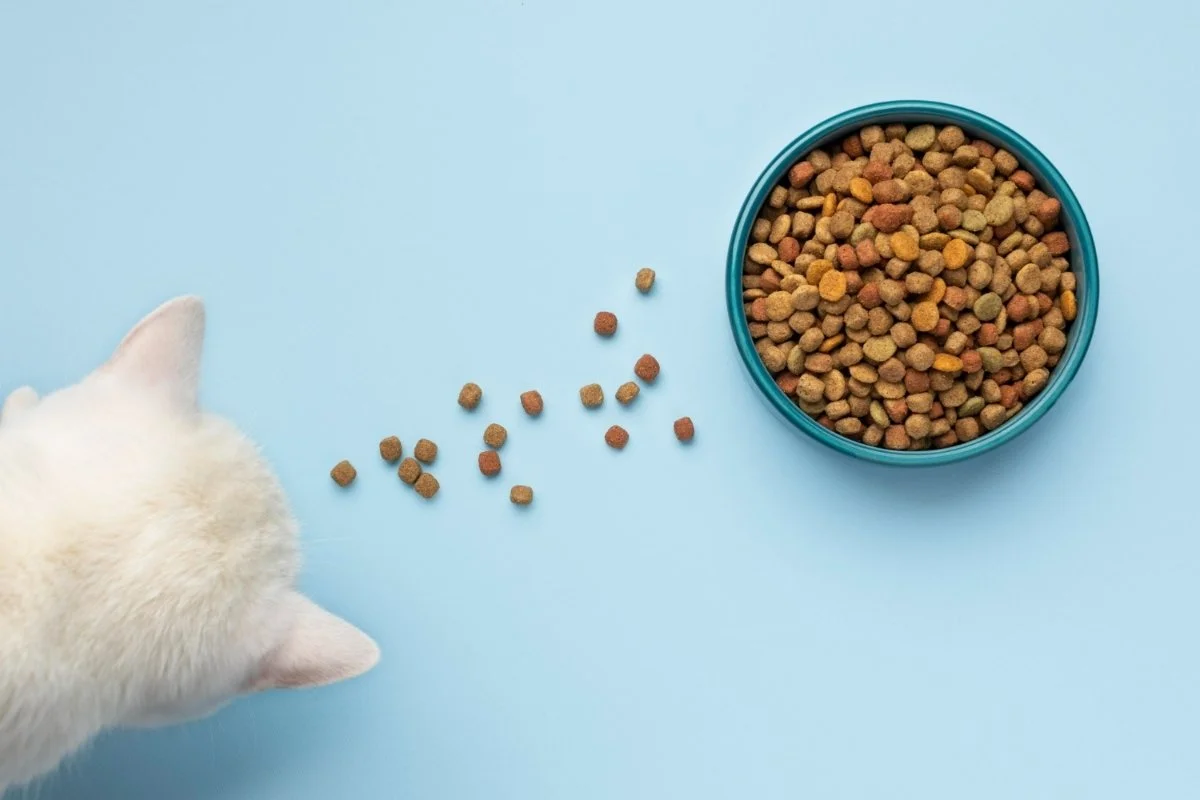
This is consistent with how the big dry-food brands package their products. Major dog food brands emphasise durable, larger-format bags for their dry-food lines, with size variants from trial 5-pound packs through to 30-pound family packs. The pouch carries the load, the seal carries the freshness, and the print carries the brand.
Kibble pouches are working pouches. They carry weight, sit in the cupboard for weeks, and get opened daily. Build the pouch for the use case, not for the photo.
This is consistent with how the big dry-food brands package their products. Major dog food brands emphasise durable, larger-format bags for their dry-food lines, with size variants from trial 5-pound packs through to 30-pound family packs. The pouch carries the load, the seal carries the freshness, and the print carries the brand.
Best Pouch Features for Pet Treats
Treat pouches are convenience pouches. They live in a pocket, a kitchen drawer, or a treat pouch on the leash. Every interaction with the pouch is an opportunity for your brand — make each one easy.
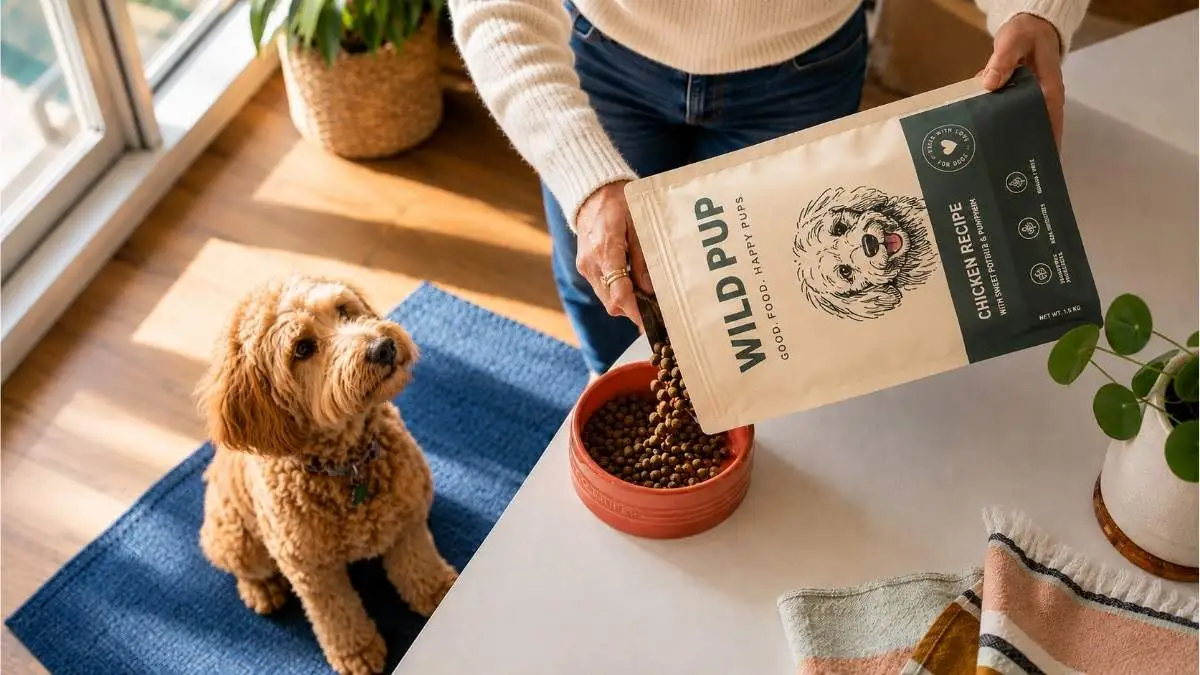
Treat-led brands such as GREENIES consistently sell in smaller pack sizes and pouch-style formats with resealable closures, because treats are a daily-use product that is opened repeatedly during training, rewards and dental care.
Treat pouches are convenience pouches. They live in a pocket, a kitchen drawer, or a treat pouch on the leash. Every interaction with the pouch is an opportunity for your brand — make each one easy.
Treat-led brands such as GREENIES consistently sell in smaller pack sizes and pouch-style formats with resealable closures, because treats are a daily-use product that is opened repeatedly during training, rewards and dental care.
What Is One of the Most Convenient Pet Food Packaging Designs?
For pet treats, one of the most convenient pet food packaging designs is a resealable stand-up pouch — a bottom-gusset pouch with a press-to-close zipper at the top. It stands up on shelves and on counters, opens with a tear notch, and reseals cleanly between uses.
For kibble, a more durable, larger-format pouch — a heavy-duty stand-up pouch or a block-bottom (quad-seal) bag with a strong barrier laminate, a resealable zipper and a carry handle — usually fits the use case better. It handles the weight, holds its shape on shelf, and stays usable through the four to six weeks a typical bag of kibble lasts.
How DigiPac Can Help
Where DigiPac fits a pet food brand:
We are FSC®, ISO 9001, ISO 14001 and ISO 45001 certified and are a division of Vivar Grou.
Reach out to us if you need help choosing the right pouch type for your pet food product. We will walk through pack size, barrier, zipper and shelf design with you, and produce a sample before you commit to a print run.
Frequently Asked Questions
What is the best pet food packaging for kibble?
A heavy-duty stand-up pouch or quad-seal bag works best. Look for a multi-layer barrier film to block oxygen and moisture, a resealable zipper to keep kibble fresh, a tear notch for easy opening, and a carry handle for bags over 5 kg.
What is the best pet food packaging for treats?
Smaller stand-up pouches in 100 g to 500 g sizes are ideal. They should have a press-to-close zipper, a tear notch, and a high-barrier laminate to keep treats fresh. Strong print and finishing — like matte or gloss coatings and spot UV — matter more here, since treats are often an impulse buy.
Can the same pouch be used for kibble and treats?
Usually no. A pouch built for a 7 kg kibble bag is too heavy-duty for a 200 g treat pack, and a treat-sized pouch isn't strong enough to hold kibble. Most brands use separate pouch specs for each line.
Are resealable zippers worth the extra cost on pet food packaging?
Yes. Shoppers actively look for resealable packaging because it keeps food fresh between uses. The small added cost is offset by better freshness, repeat purchases, and fewer returns.
Does DigiPac offer low minimum order quantities for new pet food brands?
Yes. DigiPac supports brands of every size, from local startups to multinationals, with low minimum order quantities, fast turnaround through digital printing, and full design-to-delivery support. New pet food brands can launch a single SKU without committing to large inventory volumes.
Get in Touch
Looking for eco-friendly packaging that reflects your brand?

Lot 26 Rawang Integrated Industrial Park,
48000 Rawang,
Selangor Darul Ehsan,
Malaysia.
About
Product and Service
© Copyright Vivar Packaging Sdn Bhd (914629-V). All Rights Reserved