Author: Digipac

  • Pet Food Packaging: Best Pouch Type for Kibble vs Treats

    Pet Food Packaging: Best Pouch Type for Kibble vs Treats

    Pet Food Packaging: Best Pouch Type for Kibble vs Treats

    1 min readDachshund eating kibble from a bowl

    If you run a pet food brand, a pet treat brand, a private-label pet product line, or you are about to launch your own packaged pet food range, your pet food packaging is one of the first decisions that shapes how your product performs. Kibble and treats look like neighbours on a shelf, but they are eaten differently, stored differently, and bought differently. This means they need different pouches.

    Pet food packaging is the flexible or rigid packaging used to contain, protect and present pet food products at retail and online. The right pouch protects freshness, makes the product easier to store and use, and helps the product earn attention at the shelf or on a product page.

    The global pet food packaging market reached USD 11.36 billion in 2025, and pouches are now the top-selling format. That makes pouch design a real competitive advantage, not just a finishing touch.

    Why Pet Food Packaging Matters

    Pet food packaging is not just a wrapper. It is the layer that protects what is inside, decides how easy the product is to live with, and tells the customer what your brand stands for before they ever taste-test it on their pet.

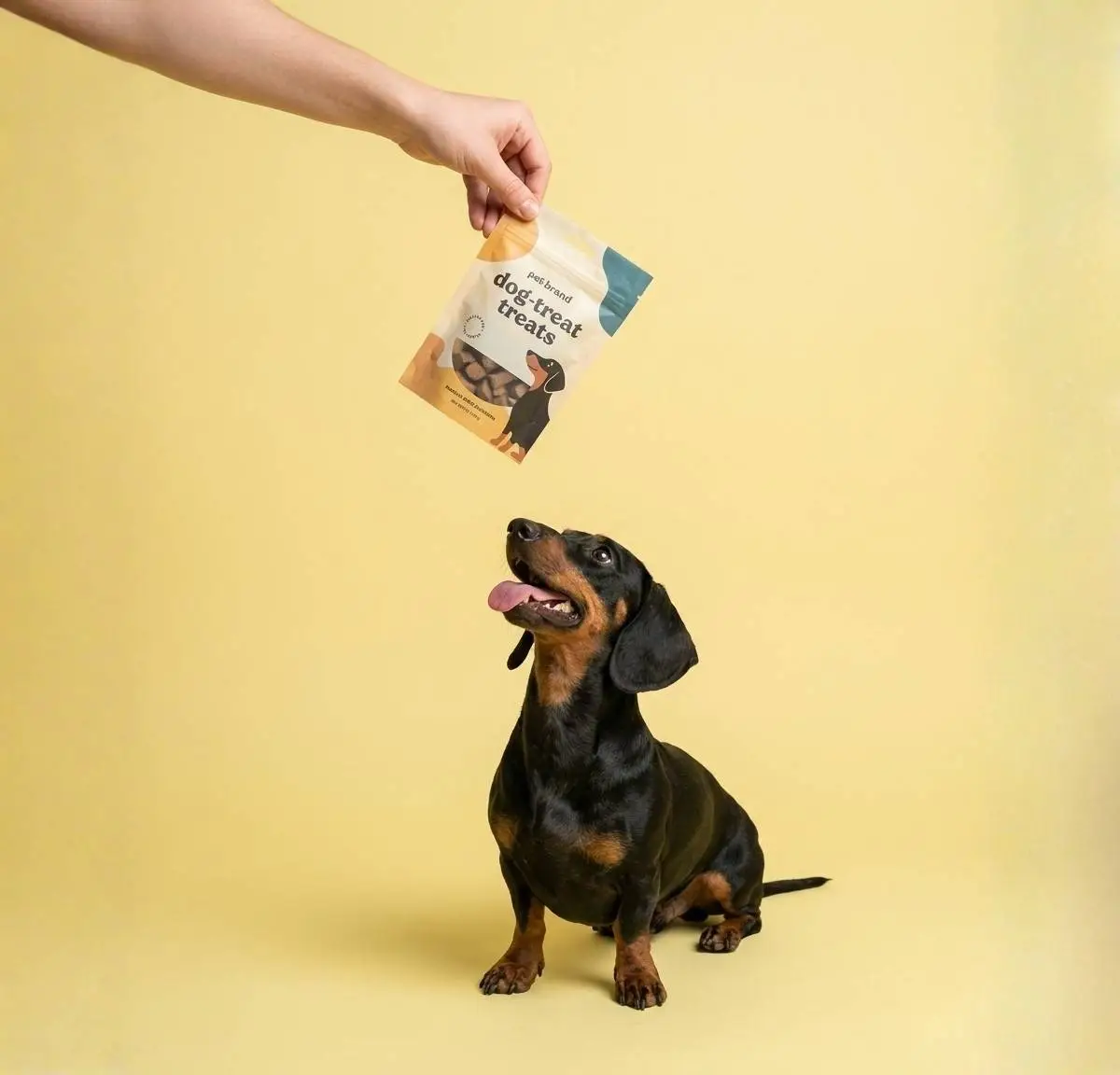
    Hand offering a stand-up pouch of dog treats

    Freshness and quality

    Kibble and treats both contain fats and proteins that go stale or rancid when exposed to oxygen, moisture and light. The pouch is what keeps the product tasting and smelling the way it did the day it was packed.

    Storage and convenience for pet owners

    Owners want to grab, scoop, reseal and put away. A pouch with a working zipper and the right size for repeat use earns repeat purchases.

    Shelf appeal and brand presentation

    In a pet shop or on a Shopee/Lazada product page, your pouch is competing with dozens of other bags. Print quality, finish, and a stand-up format help the product get picked up.

    Freshness and quality

    Kibble and treats both contain fats and proteins that go stale or rancid when exposed to oxygen, moisture and light. The pouch is what keeps the product tasting and smelling the way it did the day it was packed.

    Storage and convenience for pet owners

    Owners want to grab, scoop, reseal and put away. A pouch with a working zipper and the right size for repeat use earns repeat purchases.

    Shelf appeal and brand presentation

    In a pet shop or on a Shopee/Lazada product page, your pouch is competing with dozens of other bags. Print quality, finish, and a stand-up format help the product get picked up.

    Kibble vs Treats: What Makes Their Packaging Needs Different?

    Kibble and treats look similar to a casual shopper, but they behave very differently in the home. Kibble is a daily staple, bought in larger volumes, and stored for weeks. Treats are a smaller, more frequent purchase, opened many times a day during training or rewards, and usually finished faster. That is why their pouches are not interchangeable.

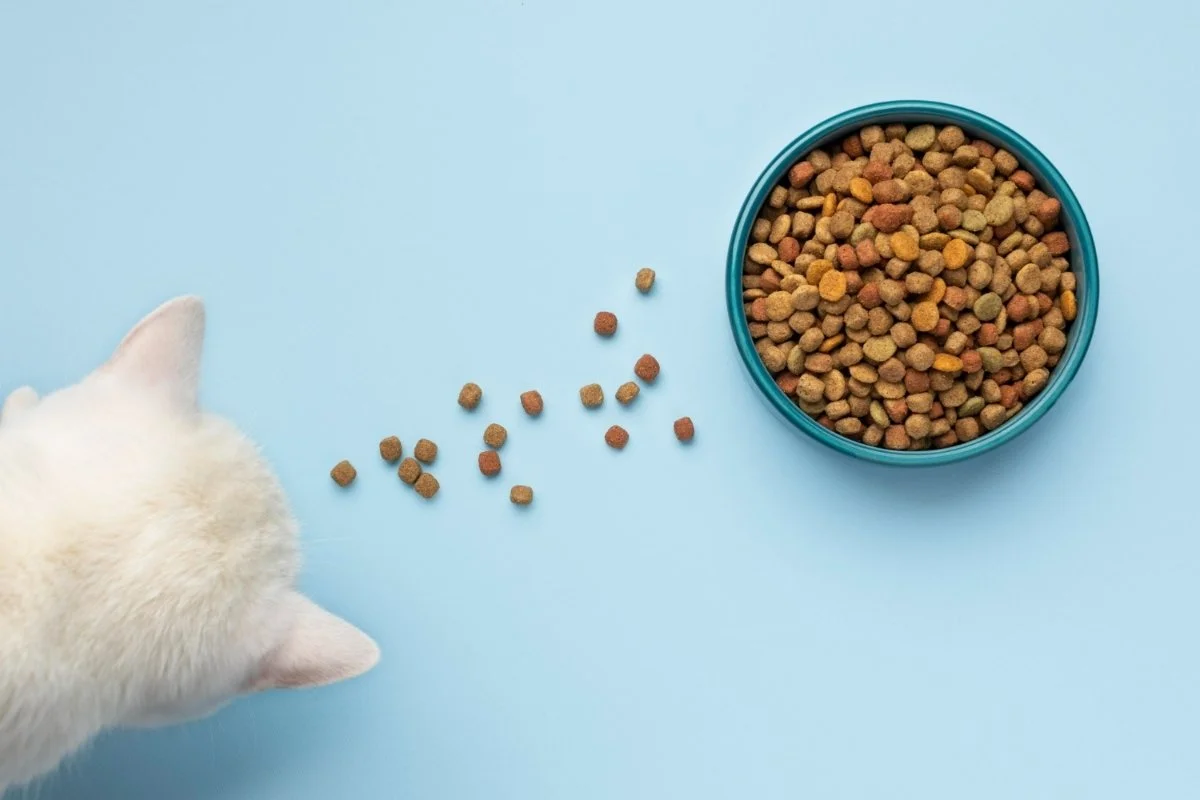
    White cat eating kibble beside a bowl of dry foodPack quantity and structure — kibble is sold in bigger pack sizes — 2 kg, 7 kg, and 15 kg bags are standard for dog food brands such as Whiskas and Royal Canin. The pouch needs structural strength, a stable base, and material that can carry the weight without splitting.Opening frequency and resealability — treats are opened and closed multiple times daily. A reliable resealable zipper is non-negotiable. Kibble is opened less often per pack, but each opening still has to expose the product to as little air as possible.Product size and storage — kibble is bulky and stored in a cupboard, pantry or pet room. Treats are often kept in a pocket, a treat pouch, or near the leash. The packaging has to fit how it is actually used.

    This difference shows up clearly in how brands segment their ranges. Dry pet food is sold in dedicated product lines by Royal Canin and Whiskas, typically as multi-size bags. Treats are presented as a separate product family by brands such as GREENIES, typically in smaller resealable pouches sold by count or weight. The packaging is segmented because the buyer behaviour is segmented.

    White cat eating kibble beside a bowl of dry foodPack quantity and structure — kibble is sold in bigger pack sizes — 2 kg, 7 kg, and 15 kg bags are standard for dog food brands such as Whiskas and Royal Canin. The pouch needs structural strength, a stable base, and material that can carry the weight without splitting.Opening frequency and resealability — treats are opened and closed multiple times daily. A reliable resealable zipper is non-negotiable. Kibble is opened less often per pack, but each opening still has to expose the product to as little air as possible.Product size and storage — kibble is bulky and stored in a cupboard, pantry or pet room. Treats are often kept in a pocket, a treat pouch, or near the leash. The packaging has to fit how it is actually used.

    This difference shows up clearly in how brands segment their ranges. Dry pet food is sold in dedicated product lines by Royal Canin and Whiskas, typically as multi-size bags. Treats are presented as a separate product family by brands such as GREENIES, typically in smaller resealable pouches sold by count or weight. The packaging is segmented because the buyer behaviour is segmented.

    Key Things to Consider Before Choosing a Pet Food Pouch

    Most first-time pet brands get stuck on look first and function second. Reverse the order. Spec the four points below before you brief a designer, and your pouch will work in real homes — not just on a moodboard.

    1234

    Pack Size and Capacity

    Pouch size should match product weight, density, and how the customer will actually buy it. A 250 g treat pouch and a 7 kg kibble bag are not the same conversation. Get the volume and weight right before anything else.

    Match pouch capacity to a clean retail pack size — 100 g, 250 g, 500 g for treats; 1 kg, 3 kg, 7 kg, 15 kg for kibble.Check headspace — kibble settles during transit, so the pouch needs room without looking under-filled.Plan a small range, not one size — a starter pack and a value pack often outsell a single mid-size pack.

    Barrier and Freshness Protection

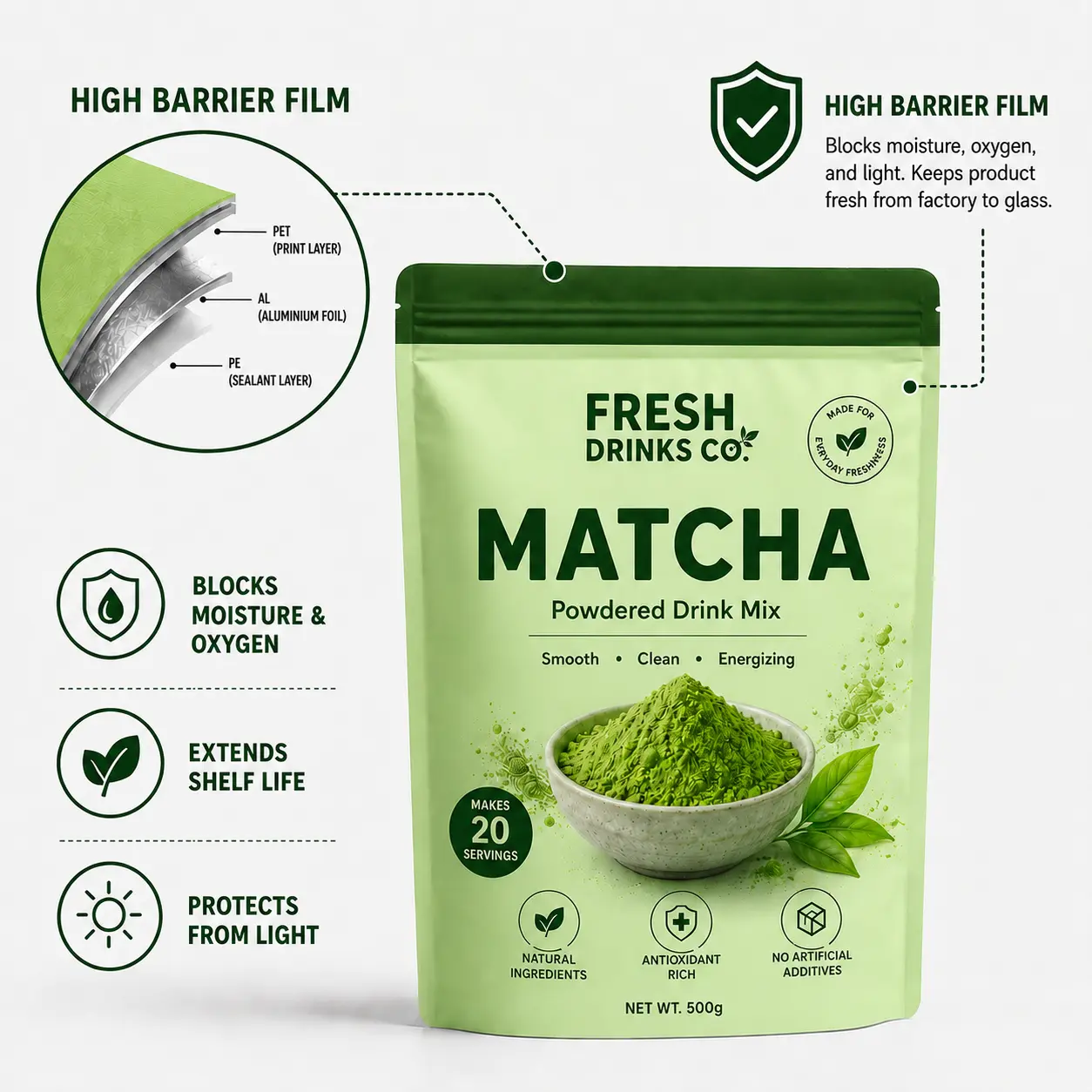
    Barrier is the part of the pouch a customer never sees but always feels. Multi-layer films with an inner sealant layer (PE or PP), a barrier layer (often aluminium foil or metallised film), and a printed outer (PET or biaxially-oriented nylon) protect kibble and treats from oxygen, moisture and light.

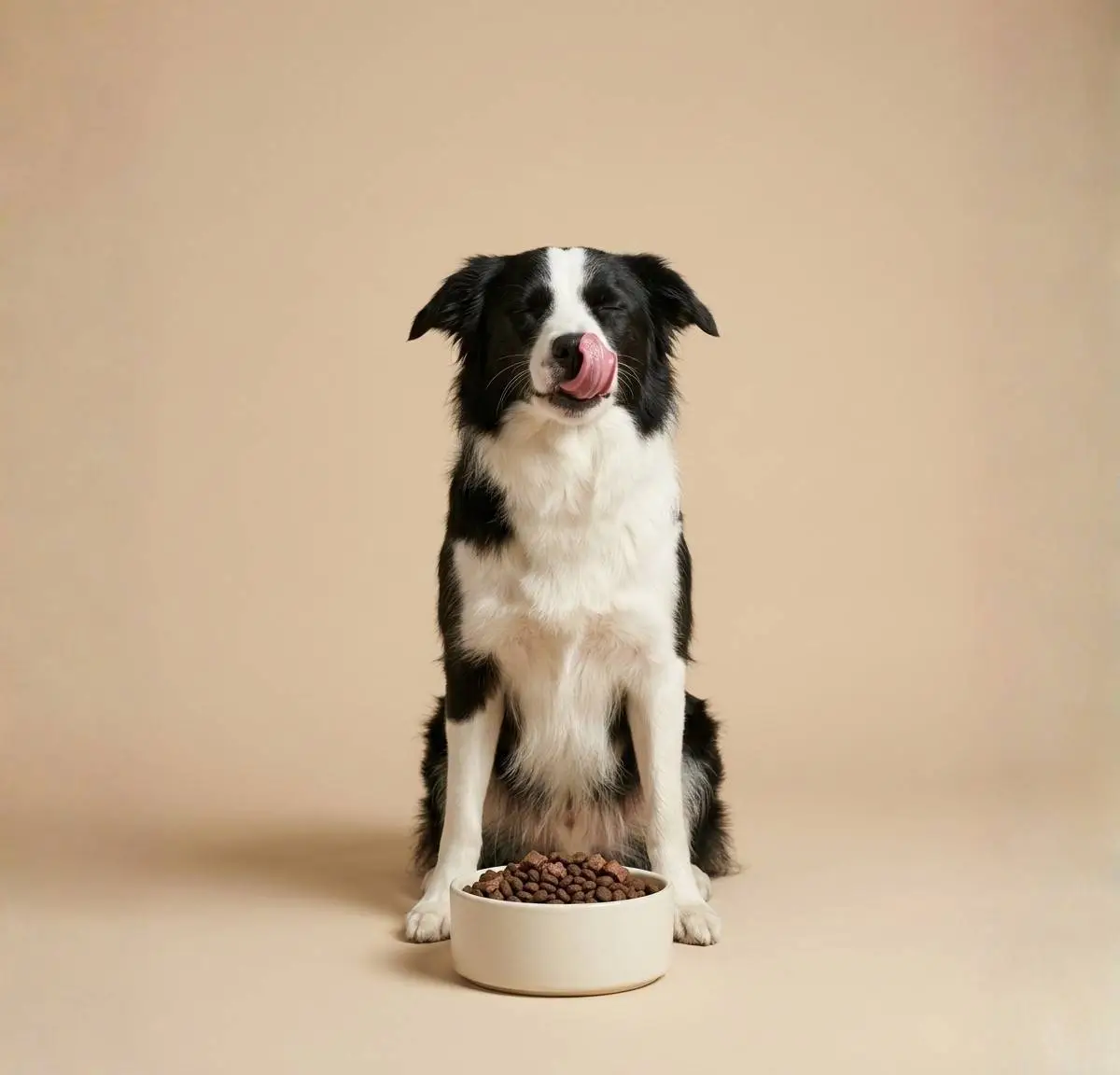
    Border collie licking its nose behind a bowl of dry kibbleHigh-barrier laminate for fatty kibble and meaty treats — these go rancid first.UV protection in the outer film if the product will be on bright shop shelves.Sealed seams tested for leakage — the best film fails if the seal does.

    Barrier and Freshness Protection

    Border collie licking its nose behind a bowl of dry kibble

    Barrier is the part of the pouch a customer never sees but always feels. Multi-layer films with an inner sealant layer (PE or PP), a barrier layer (often aluminium foil or metallised film), and a printed outer (PET or biaxially-oriented nylon) protect kibble and treats from oxygen, moisture and light.

    High-barrier laminate for fatty kibble and meaty treats — these go rancid first.UV protection in the outer film if the product will be on bright shop shelves.Sealed seams tested for leakage — the best film fails if the seal does.

    Resealability and Convenience

    A resealable zipper is a freshness tool and a daily-use feature in one. For treats, owners reach in many times a day; for kibble, the pack might stay in a kitchen cupboard for two to four weeks. Both need a closure that works on the hundredth open, not just the first.

    Press-to-close zippers — the most common, low cost, reliable for treats and small kibble packs.Slider zippers — easier for older customers and one-handed opening, useful for premium positioning.Tear notch above the zipper — clean first opening without scissors.Carry handle for kibble bags 5 kg and above — small detail, big retail effect.

    Design and Shelf Impact

    The pouch is your brand’s loudest billboard. Print finish and structure decide whether shoppers pick it up before they read the ingredients.

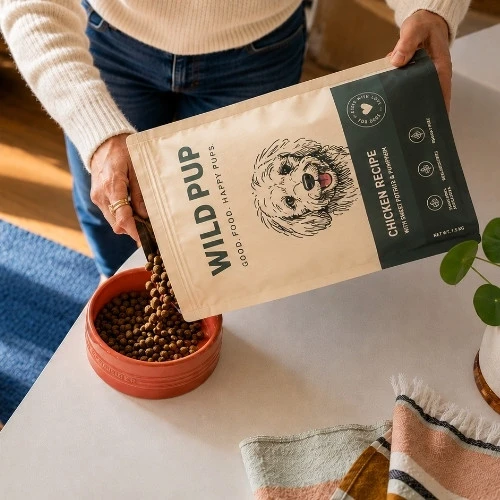
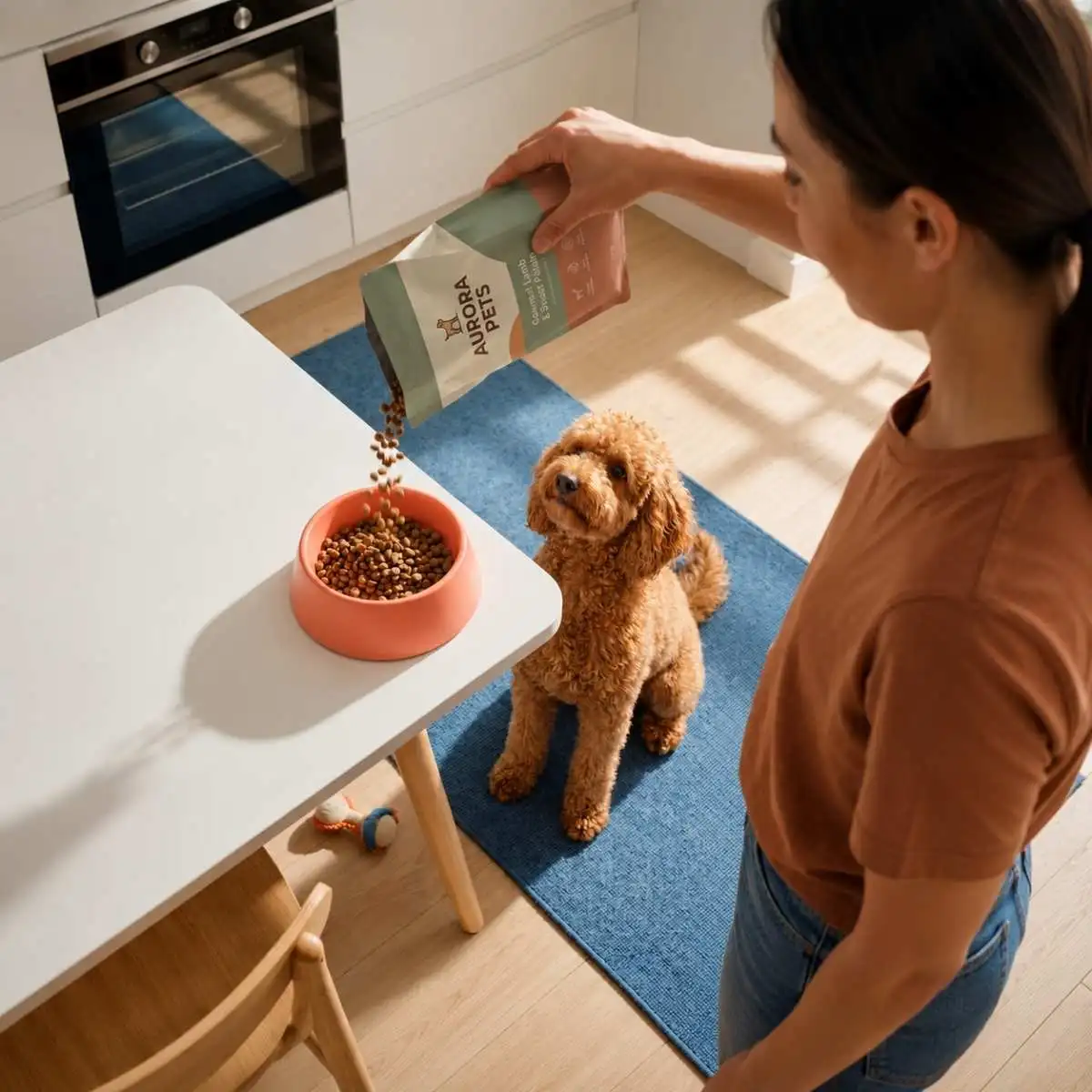
    Pet owner pouring kibble from a stand-up pouch into a dog bowlMatte finish reads premium and natural; gloss reads playful and energetic.Spot UV or foil on the logo or product name draws the eye in cluttered aisles.Stand-up format gives the front panel real estate at eye level.Photography of the pet, not just the food, performs better at the shelf — show who the product is for.

    Most first-time pet brands get stuck on look first and function second. Reverse the order. Spec the four points below before you brief a designer, and your pouch will work in real homes — not just on a moodboard.

    1234

    Pack Size and Capacity

    Pouch size should match product weight, density, and how the customer will actually buy it. A 250 g treat pouch and a 7 kg kibble bag are not the same conversation. Get the volume and weight right before anything else.

    Match pouch capacity to a clean retail pack size — 100 g, 250 g, 500 g for treats; 1 kg, 3 kg, 7 kg, 15 kg for kibble.Check headspace — kibble settles during transit, so the pouch needs room without looking under-filled.Plan a small range, not one size — a starter pack and a value pack often outsell a single mid-size pack.

    Barrier and Freshness Protection

    Border collie licking its nose behind a bowl of dry kibble

    Barrier is the part of the pouch a customer never sees but always feels. Multi-layer films with an inner sealant layer (PE or PP), a barrier layer (often aluminium foil or metallised film), and a printed outer (PET or biaxially-oriented nylon) protect kibble and treats from oxygen, moisture and light.

    High-barrier laminate for fatty kibble and meaty treats — these go rancid first.UV protection in the outer film if the product will be on bright shop shelves.Sealed seams tested for leakage — the best film fails if the seal does.

    Resealability and Convenience

    A resealable zipper is a freshness tool and a daily-use feature in one. For treats, owners reach in many times a day; for kibble, the pack might stay in a kitchen cupboard for two to four weeks. Both need a closure that works on the hundredth open, not just the first.

    Press-to-close zippers — the most common, low cost, reliable for treats and small kibble packs.Slider zippers — easier for older customers and one-handed opening, useful for premium positioning.Tear notch above the zipper — clean first opening without scissors.Carry handle for kibble bags 5 kg and above — small detail, big retail effect.

    Design and Shelf Impact

    The pouch is your brand’s loudest billboard. Print finish and structure decide whether shoppers pick it up before they read the ingredients.

    Pet owner pouring kibble from a stand-up pouch into a dog bowlMatte finish reads premium and natural; gloss reads playful and energetic.Spot UV or foil on the logo or product name draws the eye in cluttered aisles.Stand-up format gives the front panel real estate at eye level.Photography of the pet, not just the food, performs better at the shelf — show who the product is for.

    Best Pouch Features for Kibble

    Kibble pouches are working pouches. They carry weight, sit in the cupboard for weeks, and get opened daily. Build the pouch for the use case, not for the photo.

    White cat approaching a bowl of dry pet food kibbleLarger pouch with a stronger structure — stand-up pouches with reinforced bottom gussets, or block-bottom (quad-seal) bags from 3 kg upwards, hold their shape on shelf and at home.High-barrier multi-layer film — protects against oxygen, moisture and light so kibble stays fresh until the bag is finished.Resealable zipper — essential for repeated daily scooping; pair with a tear notch for clean first opening.Practical handling features — carry handle for 5 kg and 7 kg packs, hang hole or D-cut handle for retail display, and clear feeding-guide panel on the back.

    This is consistent with how the big dry-food brands package their products. Major dog food brands emphasise durable, larger-format bags for their dry-food lines, with size variants from trial 5-pound packs through to 30-pound family packs. The pouch carries the load, the seal carries the freshness, and the print carries the brand.

    Kibble pouches are working pouches. They carry weight, sit in the cupboard for weeks, and get opened daily. Build the pouch for the use case, not for the photo.

    White cat approaching a bowl of dry pet food kibbleLarger pouch with a stronger structure — stand-up pouches with reinforced bottom gussets, or block-bottom (quad-seal) bags from 3 kg upwards, hold their shape on shelf and at home.High-barrier multi-layer film — protects against oxygen, moisture and light so kibble stays fresh until the bag is finished.Resealable zipper — essential for repeated daily scooping; pair with a tear notch for clean first opening.Practical handling features — carry handle for 5 kg and 7 kg packs, hang hole or D-cut handle for retail display, and clear feeding-guide panel on the back.

    This is consistent with how the big dry-food brands package their products. Major dog food brands emphasise durable, larger-format bags for their dry-food lines, with size variants from trial 5-pound packs through to 30-pound family packs. The pouch carries the load, the seal carries the freshness, and the print carries the brand.

    Best Pouch Features for Pet Treats

    Treat pouches are convenience pouches. They live in a pocket, a kitchen drawer, or a treat pouch on the leash. Every interaction with the pouch is an opportunity for your brand — make each one easy.

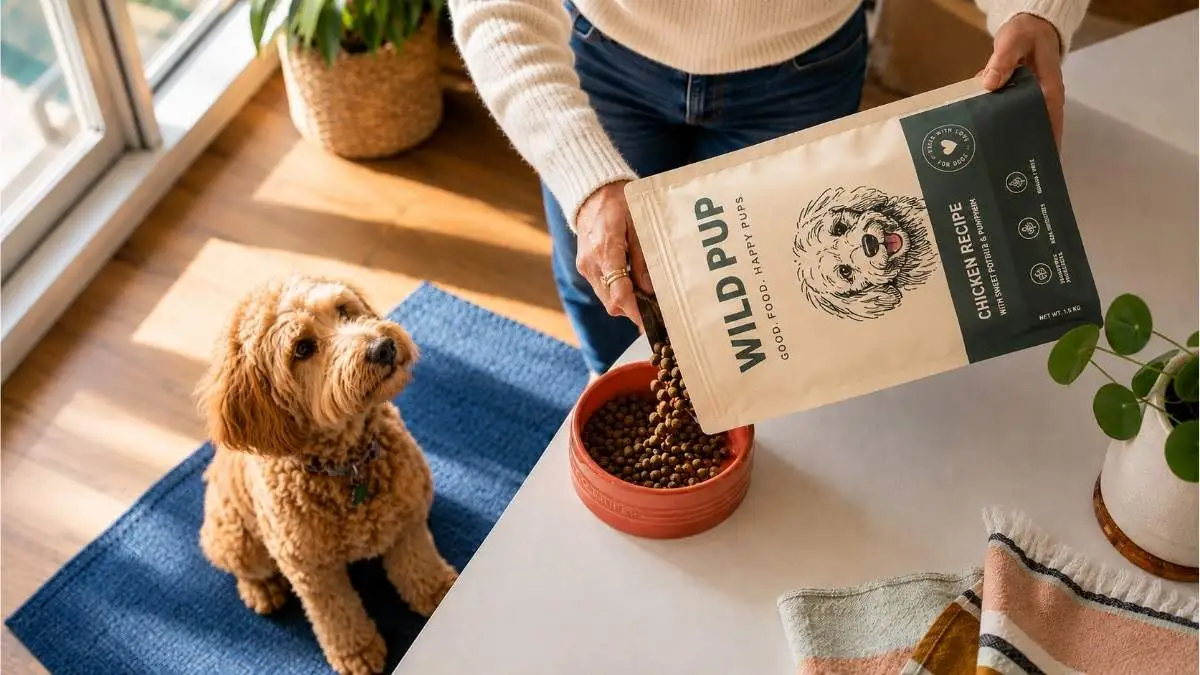
    Pet owner pouring kibble from a flat-bottom pouch into a dog bowlSmaller or medium pouch sizes — 100 g, 200 g and 500 g cover most retail SKUs; very small training-treat pouches under 100 g are common too.Easy-open tear notch — owners often open a treat bag with one hand while holding the dog or the leash.Reliable resealable zipper — treats are opened many times — the zipper has to seal cleanly each time to keep semi-moist or fatty treats from drying out.Attractive print and finish — treats are an impulse buy. Bright colour, premium matte/gloss, and clear product photography drive shelf and online conversion.

    Treat-led brands such as GREENIES consistently sell in smaller pack sizes and pouch-style formats with resealable closures, because treats are a daily-use product that is opened repeatedly during training, rewards and dental care.

    Treat pouches are convenience pouches. They live in a pocket, a kitchen drawer, or a treat pouch on the leash. Every interaction with the pouch is an opportunity for your brand — make each one easy.

    Pet owner pouring kibble from a flat-bottom pouch into a dog bowlSmaller or medium pouch sizes — 100 g, 200 g and 500 g cover most retail SKUs; very small training-treat pouches under 100 g are common too.Easy-open tear notch — owners often open a treat bag with one hand while holding the dog or the leash.Reliable resealable zipper — treats are opened many times — the zipper has to seal cleanly each time to keep semi-moist or fatty treats from drying out.Attractive print and finish — treats are an impulse buy. Bright colour, premium matte/gloss, and clear product photography drive shelf and online conversion.

    Treat-led brands such as GREENIES consistently sell in smaller pack sizes and pouch-style formats with resealable closures, because treats are a daily-use product that is opened repeatedly during training, rewards and dental care.

    What Is One of the Most Convenient Pet Food Packaging Designs?

    For pet treats, one of the most convenient pet food packaging designs is a resealable stand-up pouch — a bottom-gusset pouch with a press-to-close zipper at the top. It stands up on shelves and on counters, opens with a tear notch, and reseals cleanly between uses.

    For kibble, a more durable, larger-format pouch — a heavy-duty stand-up pouch or a block-bottom (quad-seal) bag with a strong barrier laminate, a resealable zipper and a carry handle — usually fits the use case better. It handles the weight, holds its shape on shelf, and stays usable through the four to six weeks a typical bag of kibble lasts.

    How DigiPac Can Help

    Where DigiPac fits a pet food brand:

    Custom pet food pouch options — stand-up pouches and flat pouches, with bottom-gusset, side-gusset and quad-seal formats sized for kibble bags, treat pouches, supplement packs and chew packs.Material and feature selection — high-barrier films for fatty or moist products, mono-material and recyclable options for sustainability-led brands, plus zippers, tear notches, carry handles and hang holes selected to fit the SKU.Printing and packaging support — high-resolution digital printing for short runs and frequent design changes, conventional press for longer runs, and finishing options including spot UV, matt varnish and round corners.Support from design to delivery — structural design, artwork, dieline, colour management, press, finishing and Malaysia-wide delivery handled in-house, with low minimum order quantities so a new pet brand can launch without locking up cash in inventory.

    We are FSC®, ISO 9001, ISO 14001 and ISO 45001 certified and are a division of Vivar Grou.

    Reach out to us if you need help choosing the right pouch type for your pet food product. We will walk through pack size, barrier, zipper and shelf design with you, and produce a sample before you commit to a print run.

    Request Quotation

    Frequently Asked Questions

    What is the best pet food packaging for kibble?

    A heavy-duty stand-up pouch or quad-seal bag works best. Look for a multi-layer barrier film to block oxygen and moisture, a resealable zipper to keep kibble fresh, a tear notch for easy opening, and a carry handle for bags over 5 kg.

    What is the best pet food packaging for treats?

    Smaller stand-up pouches in 100 g to 500 g sizes are ideal. They should have a press-to-close zipper, a tear notch, and a high-barrier laminate to keep treats fresh. Strong print and finishing — like matte or gloss coatings and spot UV — matter more here, since treats are often an impulse buy.

    Can the same pouch be used for kibble and treats?

    Usually no. A pouch built for a 7 kg kibble bag is too heavy-duty for a 200 g treat pack, and a treat-sized pouch isn’t strong enough to hold kibble. Most brands use separate pouch specs for each line.

    Are resealable zippers worth the extra cost on pet food packaging?

    Yes. Shoppers actively look for resealable packaging because it keeps food fresh between uses. The small added cost is offset by better freshness, repeat purchases, and fewer returns.

    Does DigiPac offer low minimum order quantities for new pet food brands?

    Yes. DigiPac supports brands of every size, from local startups to multinationals, with low minimum order quantities, fast turnaround through digital printing, and full design-to-delivery support. New pet food brands can launch a single SKU without committing to large inventory volumes.

    Get in Touch

    Looking for eco-friendly packaging that reflects your brand?

    Lot 26 Rawang Integrated Industrial Park, 48000 Rawang, Selangor Darul Ehsan, Malaysia.

    +6012 308 8928

    info@digipac.com.my


    About

    HomeAbout UsSustainabilitySolutionsBlogContact Us

    Product and Service

    Stand-Up PouchesFlat PouchesLabelsFolding CartonServices

    © Copyright Vivar Packaging Sdn Bhd (914629V).  All Rights Reserved

  • How to Choose the Right Stand-Up Pouch for Your Product

    How to Choose the Right Stand-Up Pouch for Your Product

    How to Choose the Right Stand-Up Pouch for Your Product

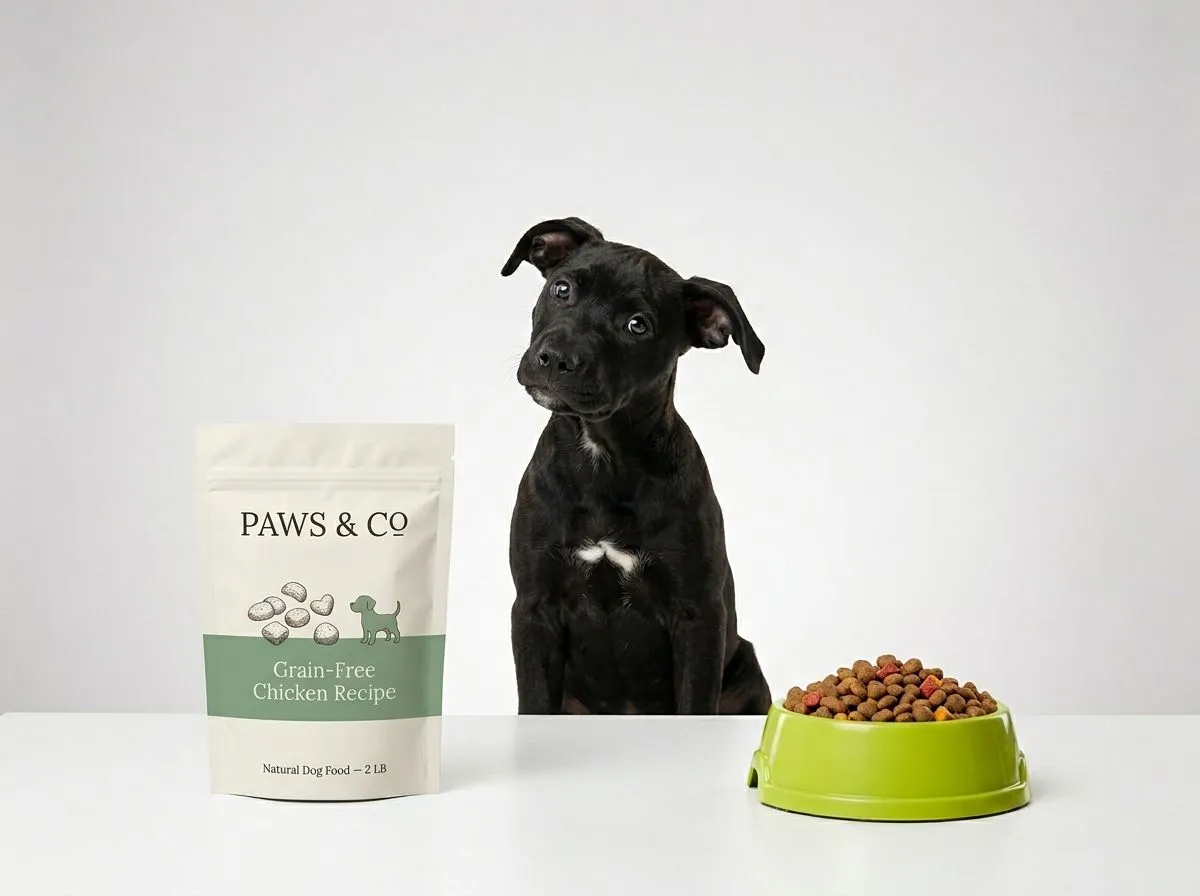
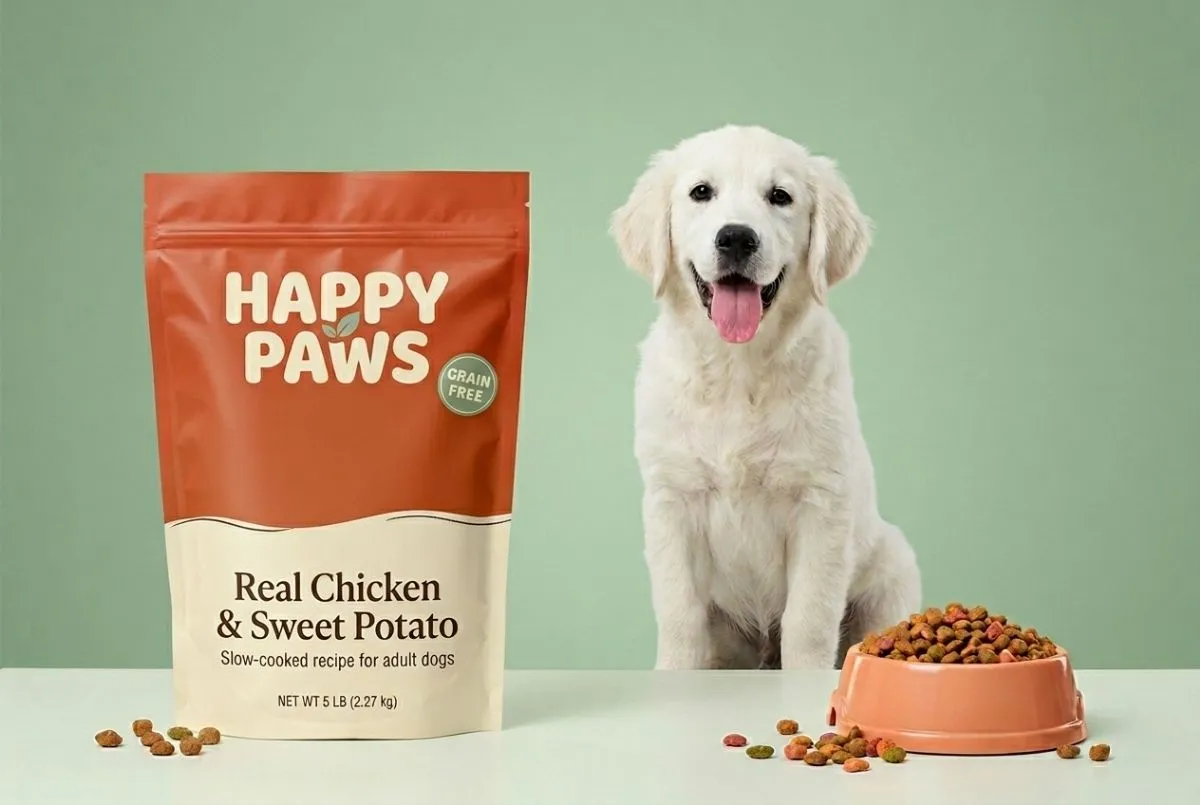
    1 min readBlack puppy with dog food stand up pouch and bowl showing pet food packaging design

    If you already have a product but you are stuck on which pouch to put it in, this guide is for you. The right stand up pouch is not just a container — it is a freshness barrier, a usability tool, and a shelf-level salesperson all at once. Choose well and your product reaches customers tasting and looking the way it should. Choose poorly and you will deal with stale stock, returns, or a packaging line that does not run cleanly.

    The global stand up pouch market is valued at USD 35.64 billion in 2025 and is projected to grow at an 8.15% CAGR through 2035, driven mainly by food and beverage, pet care, and personal care brands moving away from rigid containers.

    Stand up pouches are widely used across dry goods, powders, coffee, pet treats, and some frozen products, while spout pouches are typically used for liquids and refills.

    If You Only Have the Product but Don’t Know Which Pouch to Choose

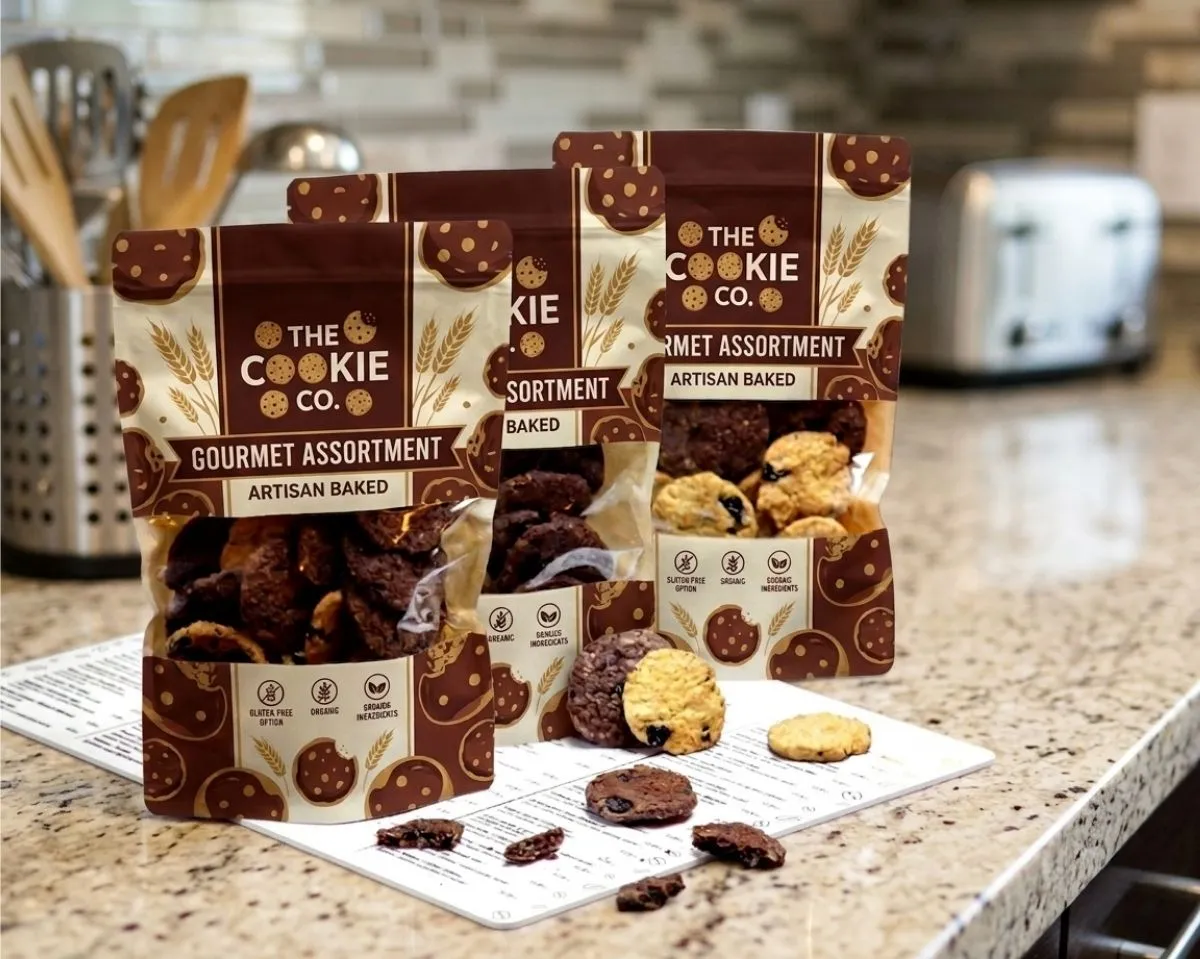
    Gourmet cookie stand up pouch packaging displayed with assorted cookies on a kitchen counter

    You do not need technical packaging knowledge to start. A stand up pouch is chosen based on four practical inputs: your product type, how it will be used, how much protection it needs, and which convenience features matter to your customer. Most first-time buyers know their product inside-out but have never specified a pouch. That is the normal starting point.

    The fastest path is to walk through these four inputs with a packaging supplier who can match each one to a film structure, a pouch size, and a finishing option. You should not need to learn film laminations or barrier ratings before placing your first order. Your supplier should narrow the spec with you, step by step.

    How to Choose the Right Stand-Up Pouch For Your Brand

    Six questions, in order. Answer each one and you have the spec for your first run.

    step 1step 2step 3step 4step 5step 6

    Step 1: Identify Your Product Format

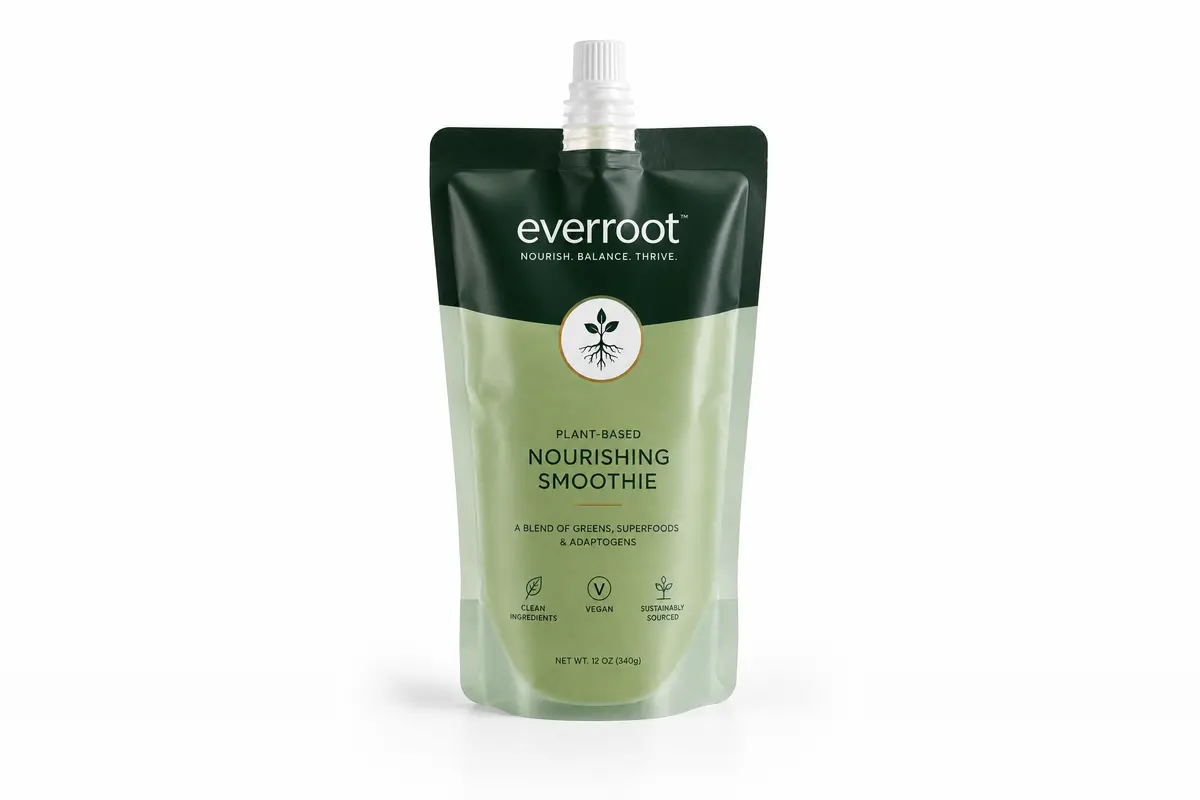
    Stand-up spout pouch for liquid smoothie packaging and easy pouring

    Match the pouch type to the physical format of the product. Dry snacks, coffee beans, powders, and pet treats fit comfortably in a standard stand up pouch. Liquids, sauces, and refill products are better suited to a spout pouch.

    Dry snacks, coffee, powders, pet treats — standard stand up pouchLiquids (juices, sauces, detergents, beauty refills) — spout pouchFrozen items — stand up pouch with cold-resistant film structure

    A spout pouch is essentially a stand up pouch with an integrated dispensing fitment. Spouted pouches can dispense up to 99.5% of their contents — a meaningful number of liquids that would otherwise leave residue in a glass bottle. Refill pouches are growing fastest in this category: shampoo and cleaning refills paired with a ‘hero’ rigid bottle reduce plastic use by over 70% versus shipping a new bottle each time, which is why brands are pivoting to refills as a sustainability lever.

    Step 2: Decide How the Pouch Will Be Used

    A pouch opened once needs different features from a pouch opened daily. If customers will reach into the pouch many times, plan for a reseal mechanism. If it is used once and consumed, plan only for first-open convenience.

    Multi-use products — resealable zipperSingle-use or quick-consumption — tear notchPremium and gift formats — tear notch combined with a zipper

    Resealable zippers are no longer a luxury feature. Consumers actively recognise resealable packaging at the shelf and choose it ‘regardless of price’ because it preserves freshness between uses.

    Step 3: Decide How Much Protection Your Product Needs

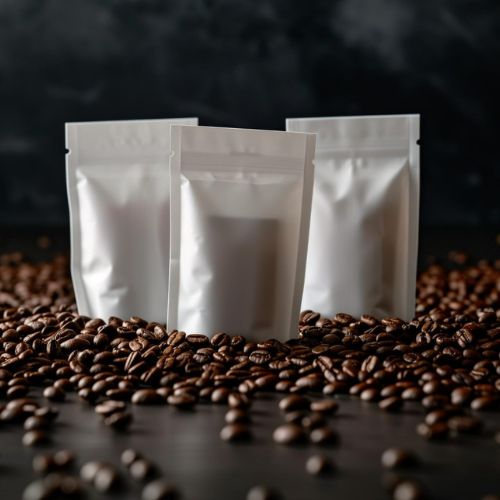
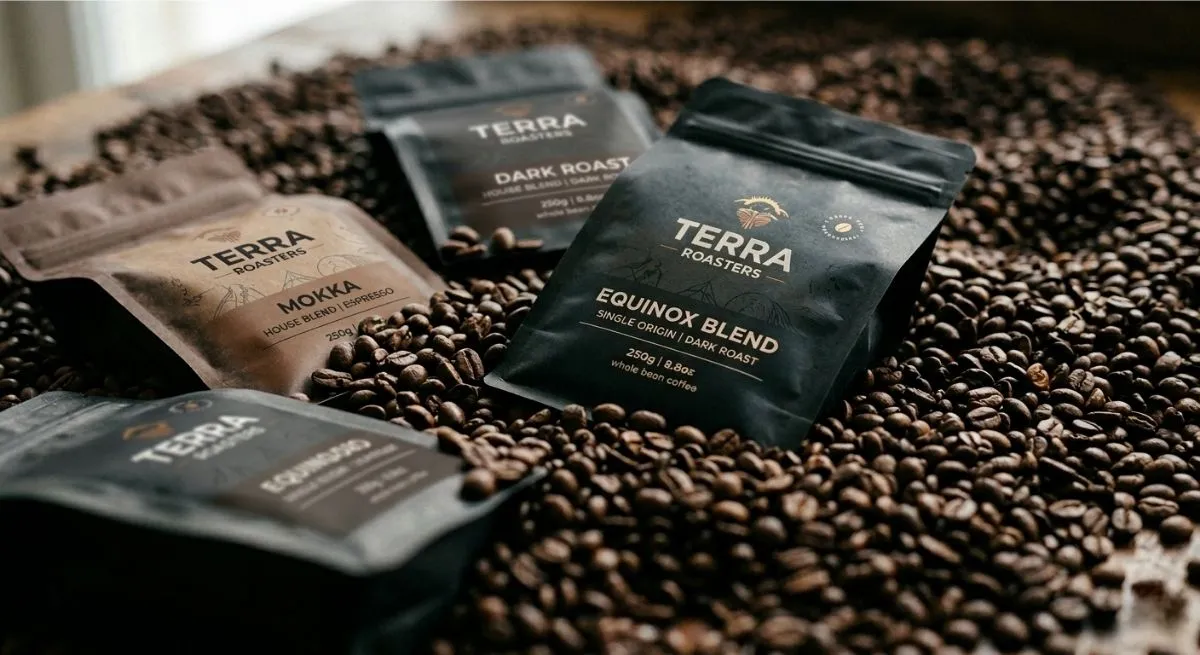
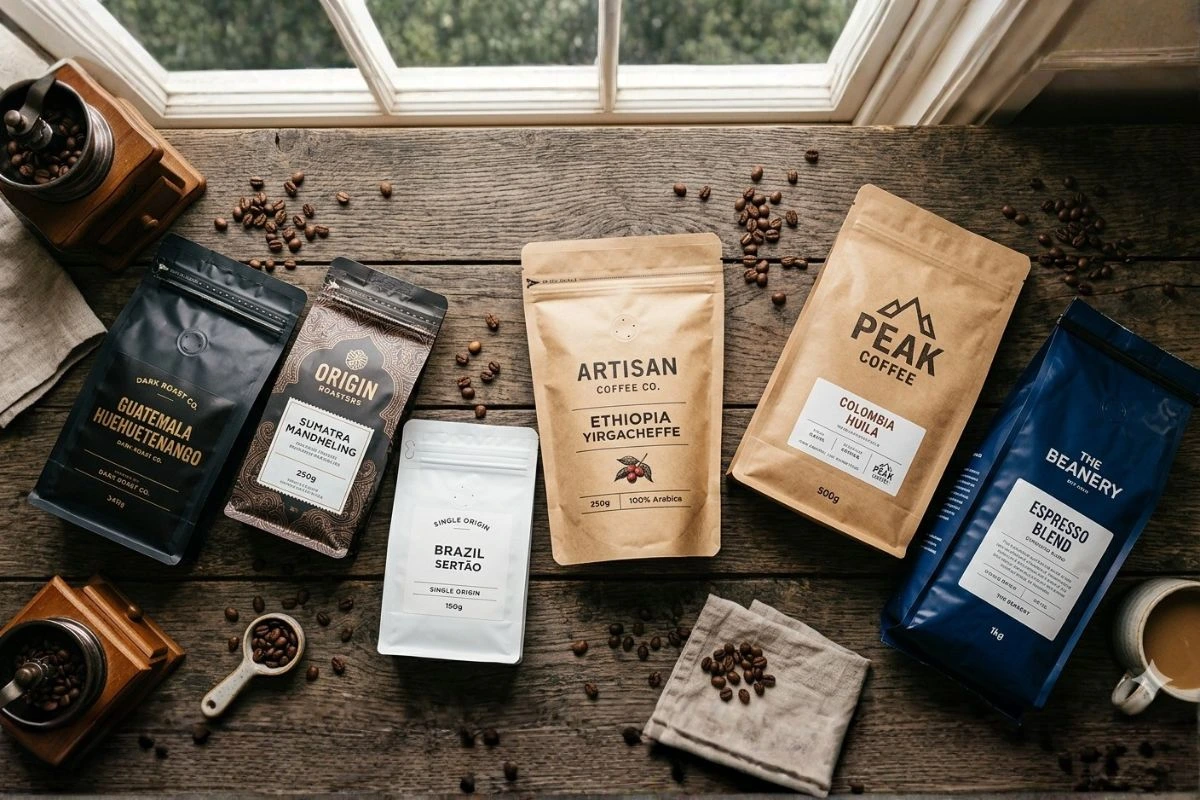
    Coffee stand up pouches displayed on roasted coffee beans for premium coffee packaging

    If your product is sensitive to oxygen, moisture, or aroma loss, you need a high-barrier film. If it is shelf-stable and not perishable, a standard film is enough.

    Coffee, snacks, powders, dried herbs, supplements — high-barrier filmPet treats, dried meats, bakery items — high-barrier filmCosmetics, accessories, non-perishable retail items — standard film

    A real high-barrier pouch barely lets any air through, which is what keeps coffee smelling fresh for months instead of weeks. Roasted coffee also needs a one-way valve — a tiny vent that lets the natural gas from the beans escape without letting oxygen sneak back in. It’s a small detail, but it makes a big difference to how long the coffee stays good.

    Step 4: Match Pouch Size to Product Quantity

    Pouch size should follow product weight and intended sales channel — not the other way around. A trial pack, an everyday retail pack, and a bulk or food-service pack are three different SKUs, and each needs its own size.

    Trial / sample (20–50 g) — for new product launches and influencer kitsStandard retail (100–500 g) — typical supermarket shelf sizeFamily / bulk (500 g–2 kg) — value-pack and food-service channels

    Picking the right size early avoids two costly mistakes: pouches that look half-empty on shelf, and pouches that bulge and put stress on the seal.

    Step 5: Add the Right Convenience Features

    White stand up pouch with a resealable zipper at the top

    Convenience features are bolted onto the base pouch — choose only the ones your customer will actually use. Adding every feature inflates the unit price without improving the customer experience.

    Zipper — for multi-use products that customers reseal between usesSpout — for pouring liquids, beverages, or refilling another containerTear notch — for clean first-open without scissorsCarry handle or hang hole — for bulk packs and retail merchandisingHigh-barrier laminate — for products that need oxygen, moisture, or aroma control

    Our stand-up-pouch range supports zippers, tear notches, spouts, carry handles, hang hole punches, spot UV, matt varnish, custom die-cuts, round corners, and variable data printing — so a single supplier can deliver the full feature stack without juggling sub-vendors.

    Step 6: Think About Branding and Shelf Impact

    After the pouch works for the product, it needs to work for the brand. Print finish, layout, and shelf orientation are what convert a passing shopper into a buyer.

    Matt varnish — premium and understated — popular in coffee and specialty foodsSpot UV — selective gloss to highlight a logo or product photoFoil stamping — eye-catching for gifting or premium positioningDigital printing — short runs, fast turnarounds, and per-pouch versioning

    Six questions, in order. Answer each one and you have the spec for your first run.

    step 1step 2step 3step 4step 5step 6

    Step 1: Identify Your Product Format

    Stand-up spout pouch for liquid smoothie packaging and easy pouring

    Match the pouch type to the physical format of the product. Dry snacks, coffee beans, powders, and pet treats fit comfortably in a standard stand up pouch. Liquids, sauces, and refill products are better suited to a spout pouch.

    Dry snacks, coffee, powders, pet treats — standard stand up pouchLiquids (juices, sauces, detergents, beauty refills) — spout pouchFrozen items — stand up pouch with cold-resistant film structure

    A spout pouch is essentially a stand up pouch with an integrated dispensing fitment. Spouted pouches can dispense up to 99.5% of their contents — a meaningful number of liquids that would otherwise leave residue in a glass bottle. Refill pouches are growing fastest in this category: shampoo and cleaning refills paired with a ‘hero’ rigid bottle reduce plastic use by over 70% versus shipping a new bottle each time, which is why brands are pivoting to refills as a sustainability lever.

    Step 2: Decide How the Pouch Will Be Used

    A pouch opened once needs different features from a pouch opened daily. If customers will reach into the pouch many times, plan for a reseal mechanism. If it is used once and consumed, plan only for first-open convenience.

    Multi-use products — resealable zipperSingle-use or quick-consumption — tear notchPremium and gift formats — tear notch combined with a zipper

    Resealable zippers are no longer a luxury feature. Consumers actively recognise resealable packaging at the shelf and choose it ‘regardless of price’ because it preserves freshness between uses.

    Step 3: Decide How Much Protection Your Product Needs

    Coffee stand up pouches displayed on roasted coffee beans for premium coffee packaging

    If your product is sensitive to oxygen, moisture, or aroma loss, you need a high-barrier film. If it is shelf-stable and not perishable, a standard film is enough.

    Coffee, snacks, powders, dried herbs, supplements — high-barrier filmPet treats, dried meats, bakery items — high-barrier filmCosmetics, accessories, non-perishable retail items — standard film

    A real high-barrier pouch barely lets any air through, which is what keeps coffee smelling fresh for months instead of weeks. Roasted coffee also needs a one-way valve — a tiny vent that lets the natural gas from the beans escape without letting oxygen sneak back in. It’s a small detail, but it makes a big difference to how long the coffee stays good.

    Step 4: Match Pouch Size to Product Quantity

    Pouch size should follow product weight and intended sales channel — not the other way around. A trial pack, an everyday retail pack, and a bulk or food-service pack are three different SKUs, and each needs its own size.

    Trial / sample (20–50 g) — for new product launches and influencer kitsStandard retail (100–500 g) — typical supermarket shelf sizeFamily / bulk (500 g–2 kg) — value-pack and food-service channels

    Picking the right size early avoids two costly mistakes: pouches that look half-empty on shelf, and pouches that bulge and put stress on the seal.

    Step 5: Add the Right Convenience Features

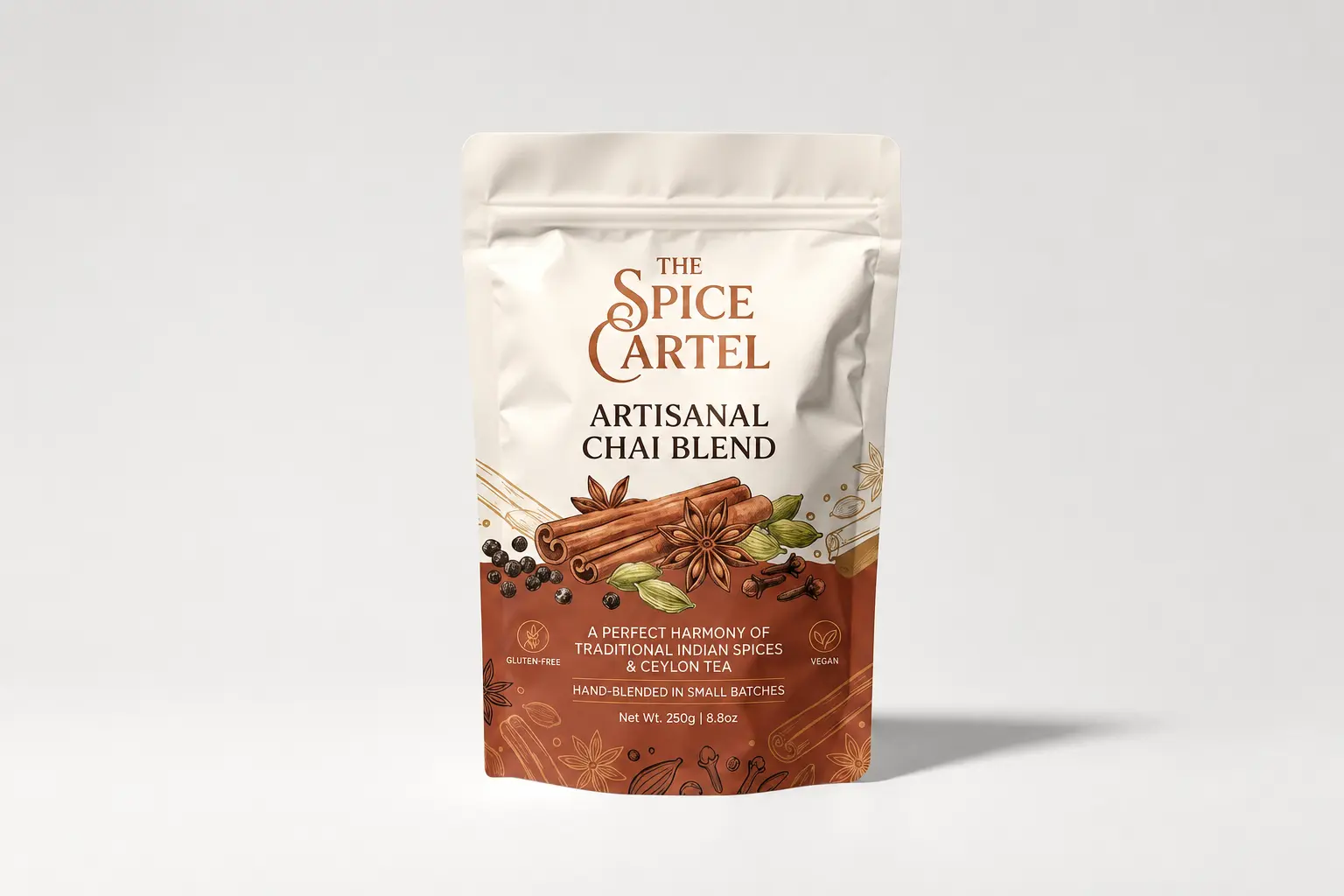
    Stand-up spice pouch packaging for cinnamon and spices

    Convenience features are bolted onto the base pouch — choose only the ones your customer will actually use. Adding every feature inflates the unit price without improving the customer experience.

    Zipper — for multi-use products that customers reseal between usesSpout — for pouring liquids, beverages, or refilling another containerTear notch — for clean first-open without scissorsCarry handle or hang hole — for bulk packs and retail merchandisingHigh-barrier laminate — for products that need oxygen, moisture, or aroma control

    Our stand-up-pouch range supports zippers, tear notches, spouts, carry handles, hang hole punches, spot UV, matt varnish, custom die-cuts, round corners, and variable data printing — so a single supplier can deliver the full feature stack without juggling sub-vendors.

    Step 6: Think About Branding and Shelf Impact

    After the pouch works for the product, it needs to work for the brand. Print finish, layout, and shelf orientation are what convert a passing shopper into a buyer.

    Matt varnish — premium and understated — popular in coffee and specialty foodsSpot UV — selective gloss to highlight a logo or product photoFoil stamping — eye-catching for gifting or premium positioningDigital printing — short runs, fast turnarounds, and per-pouch versioning

    Common Mistakes to Avoid

    Most first-time pouch buyers go wrong in five predictable ways. Catch them before sign-off and you save a printing run.

    Dog food stand-up pouch displayed with puppy and kibble bowl for pet food packagingChoosing on aesthetics first — a pouch design that wins on Instagram but lets oxygen reach your coffee is a returns problem.Skipping barrier specs for sensitive products — if your product is perishable, a non-barrier pouch ages it on the shelf, not in the customer’s pantry.Adding a spout when the product does not need one — spouts add cost and a failure point — only add them when the product is poured or measured.Forgetting reseal on a multi-use product — a coffee, granola, or pet-treat pouch without a zipper is a one-week pouch.Specifying size and print before confirming production volumes — this locks you into MOQs that do not match your actual sell-through.

    Conclusion

    The right stand up pouch should suit the product, support freshness or usability, and fit the brand’s packaging goals. Get those three things right and the pouch becomes a quiet asset on the shelf rather than a recurring problem.

    If you have the product but not the pouch spec yet, talk to us. Our team will walk through the six-step framework above with you and come back with a stand-up-pouch spec that is matched to your product, your volume, and your brand.

    Request Quotation

    Get in Touch

    Looking for eco-friendly packaging that reflects your brand?

    Lot 26 Rawang Integrated Industrial Park, 48000 Rawang, Selangor Darul Ehsan, Malaysia.

    +6012 308 8928

    info@digipac.com.my

    About

    HomeAbout UsSustainabilitySolutionsBlogContact Us

    Product and Service

    Stand-Up PouchesFlat PouchesLabelsFolding CartonServices

    © Copyright Vivar Packaging Sdn Bhd (914629V).  All Rights Reserved

  • Digital Printing for Packaging: Why It’s Ideal for Low MOQ & Fast Turnaround

    Digital Printing for Packaging: Why It’s Ideal for Low MOQ & Fast Turnaround

    Digital Printing for Packaging: Why It’s Ideal for Low MOQ & Fast Turnaround

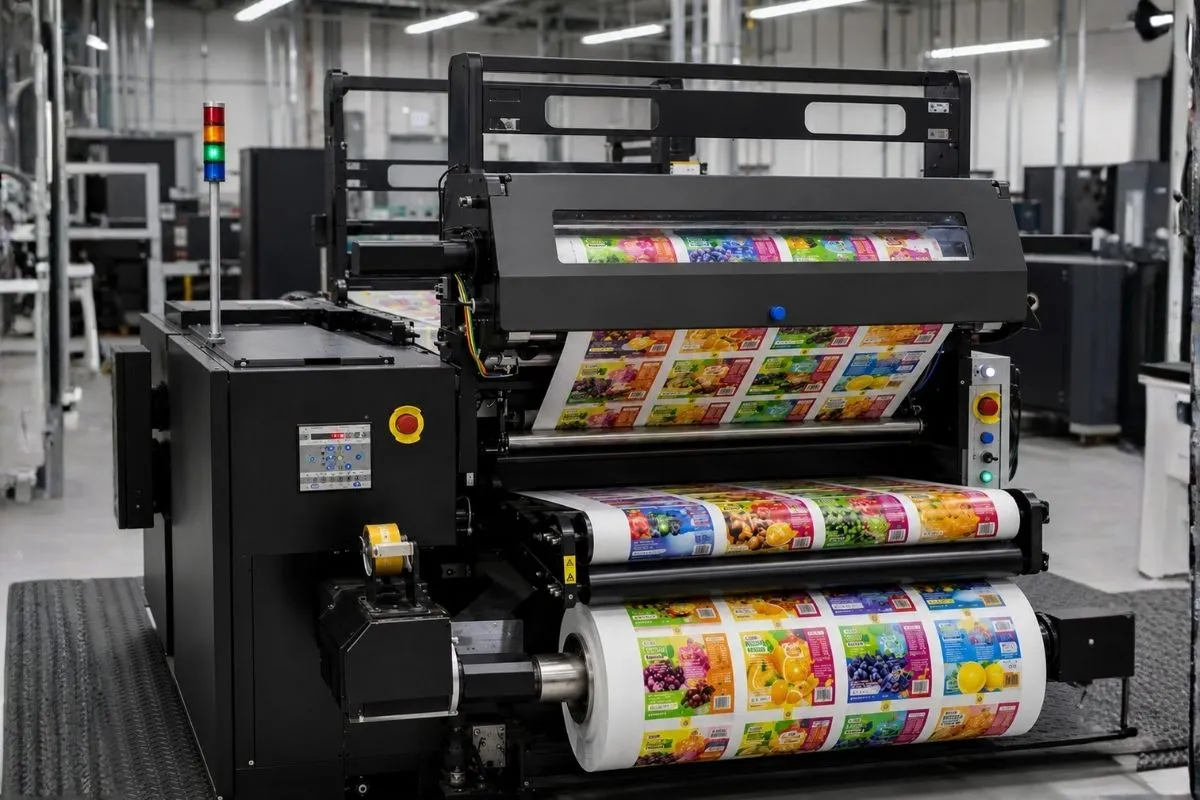
    1 min readDigital printing for packaging production line supporting low MOQ and fast turnaround

    Digital printing has become a leading solution in modern packaging, especially for brands that need low minimum order quantities (MOQ), faster turnaround times, and greater flexibility.

    If you’re evaluating packaging options, this guide explains when digital printing is the right choice, how it compares to traditional methods, and why it’s ideal for agile, growth-focused businesses.

    What Is Digital Printing for Packaging?

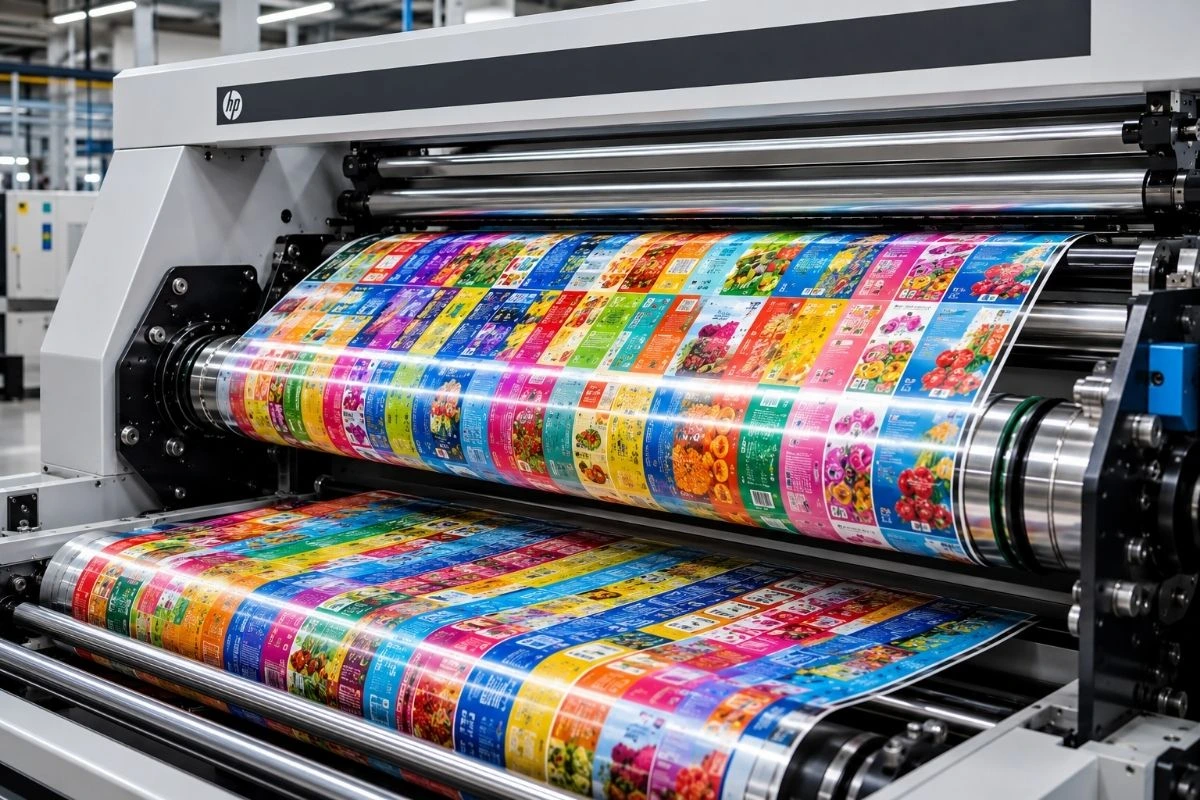
    Digital printing is a modern printing method that transfers artwork directly onto packaging materials without the need for printing plates or cylinders.

    This eliminates many of the setup steps required in traditional methods like flexographic or gravure printing, allowing for faster production start times, lower upfront costs, greater design flexibility, and efficient short-run production.

    Digital printing is a process where designs are printed directly onto packaging materials without the use of plates or cylinders.

    Compared to traditional methods like flexographic or gravure printing, digital printing enables:

    Faster production timesLower upfront costsGreater design flexibilityEfficient short-run packaging production

    This makes it especially suitable for businesses that prioritise speed and adaptability.

    Why Digital Printing Is Growing in the Packaging Industry

    Young Malaysian SME founder managing low MOQ packaging orders from her office

    The rise of digital printing is driven by changing market demands. Brands today need to move faster, test more, and reduce risk.

    Key advantages include:

    Faster time to marketLower investment due to no tooling (cylinders) or platesFlexibility to update designs or run multiple SKUsReduced waste and storage space by printing only what is needed.

    For brands operating in competitive or trend-driven markets, these advantages support quicker decision-making and reduced risk.

    Why Digital Printing Is Ideal for Low MOQ Packaging

    Digital printing is particularly effective for low MOQ packaging requirements, because it allows businesses to:

    Order based on actual demand instead of forecasted volumesTest new products and packaging designs before scalingMinimise financial risk and avoid excess inventoryCreate multiple SKUs without committing to fixed designs

    This flexibility is critical for startups, product launches, and fast-moving consumer goods.

    How Digital Printing Enables Faster Turnaround Times

    Digital printing setup for packaging that enables faster production and turnaround

    It supports faster delivery by:

    Eliminating lengthy setup processesRemoving the need for cylinder or plate productionAllowing immediate production after artwork approvalSupporting urgent or time-sensitive packaging needs

    This makes digital printing ideal for:

    Seasonal packagingPromotional campaignsLimited-time product launchesSupply chain gap fulfilment

    Best Use Cases for Digital Printing Packaging

    Brands that have large numbers of SKU, and require variable data printingDigital printing is most effective in scenarios such as:

    Low MOQ custom packaging where large runs are not viableSeasonal or promotional packaging in limited quantitiesShort-run campaigns tied to events or specific messagingMarket testing before full-scale productionHigh-SKU product ranges requiring variable data printing

    Which Businesses Benefit Most from Digital Printing?

    Startups and emerging brands needing professional packaging without high volume commitmentsSMEs with certain SKUs requiring moderate print runs rather than large-volume productionEstablished brands launching new products or SKUs by starting with small-volume runs to better estimate market demandBusinesses with seasonal or campaign-driven packaging needs

    Digital vs Traditional Printing: When to Choose Digital

    Choose digital printing when you need ANY of the below:

    Fast turnaroundFrequent design changesMultiple SKUs or personalised packaging (Variable Data Printing)Mid to Low volume production

    Traditional printing remains more cost-effective for very high-volume, standardised runs, but lacks the flexibility that digital printing offers

    How DigiPac Supports Digital Printing for Packaging

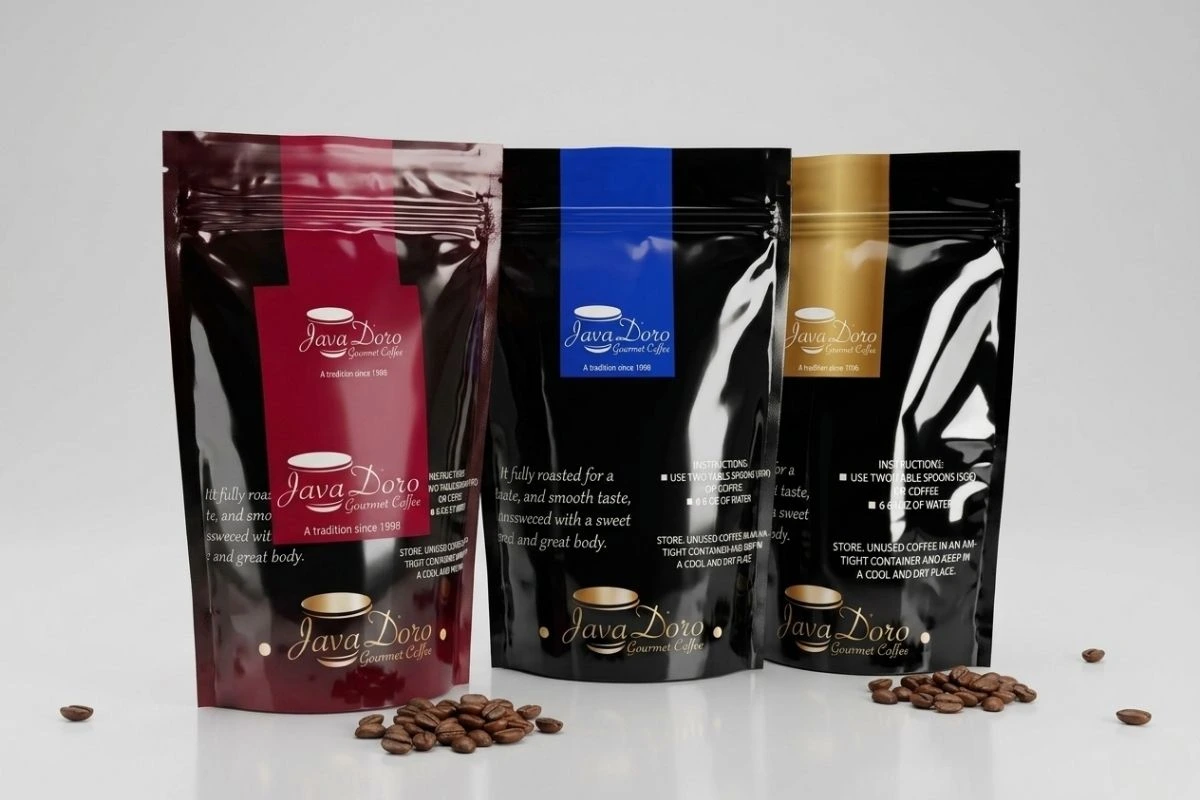
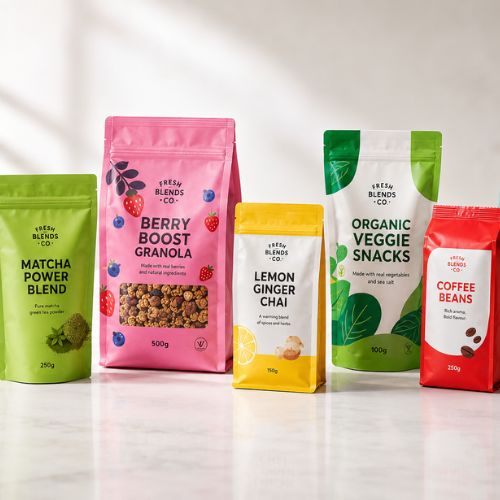
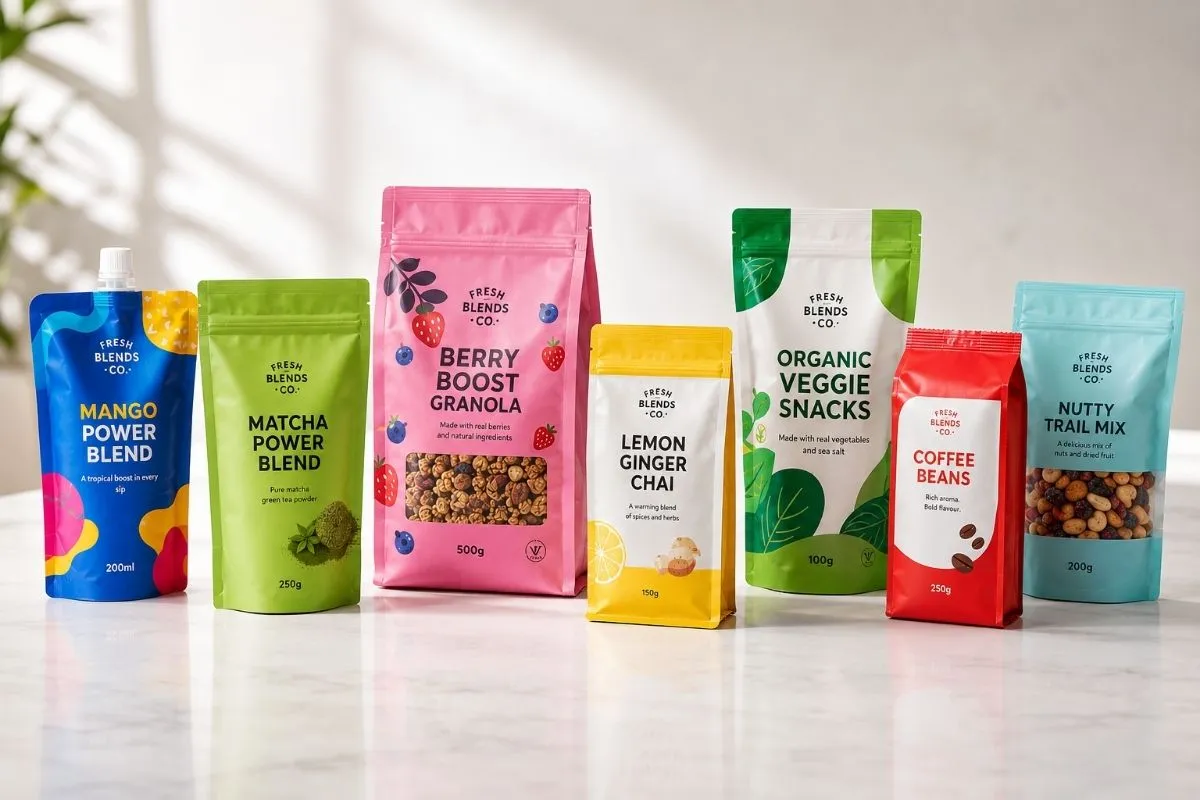
    Custom printed stand-up pouches in multiple colours and designs for flexible packaging

    DigiPac provides end-to-end digital printing solutions for custom packaging, supporting industries including food, beverage, cosmetics, pharmaceutical and pet food.

    Our capabilities include:

    Stand up pouchesFlat bottom pouchesLabelsPrinted boxes

    We help brands achieve:

    Low MOQ packagingFaster production timelinesSeamless support from artwork to delivery

    Get Started with Digital Printing for Packaging

    Looking for low MOQ packaging with fast turnaround?Contact DigiPac to discuss your requirements and explore how digital printing can support your next packaging project.

    Request Quotation

    Frequently Asked Questions

    What is digital printing for packaging?

    Digital printing for packaging is a printing method that transfers artwork directly onto packaging materials without using plates or cylinders. The process eliminates traditional setup steps, which lowers upfront costs, speeds up production, and makes short-run and low-MOQ packaging economically viable for brands of all sizes.

    Is digital printing cheaper than flexographic or gravure printing?

    For short and medium runs, yes. Digital printing avoids the cost of plates and cylinders, so the per-job setup is far cheaper. For very high-volume, standardised runs, flexographic or gravure printing can still be more cost-effective per unit. Most brands today need both — digital for new launches and SKU variants, traditional for steady high-volume lines.

    How fast is the turnaround on digital printing?

    Because there is no tooling to make, digital printing can move from approved artwork into production almost immediately. This is why digital is the default choice for seasonal packaging, promotional runs, limited editions and any project with a tight launch window.

    Does digital printing match the print quality of traditional methods?

    Modern digital presses such as the HP Indigo 200K reproduce up to 97% of PANTONE colours and print on a wide range of substrates (10–400 microns), so the visual quality is comparable to flexographic and gravure for most packaging applications.

    What MOQ does DigiPac offer for digital printing?

    DigiPac specialises in low-MOQ packaging, so you can order in volumes that match your real demand instead of committing to large forecasted runs. This is ideal for startups, product launches, seasonal SKUs and brands testing new designs.

    Get in Touch

    Looking for eco-friendly packaging that reflects your brand?

    Lot 26 Rawang Integrated Industrial Park, 48000 Rawang, Selangor Darul Ehsan, Malaysia.

    +6012 308 8928

    info@digipac.com.my


    About

    HomeAbout UsSustainabilitySolutionsBlogContact Us

    Product and Service

    Stand-Up PouchesFlat PouchesLabelsFolding CartonServices

    © Copyright Vivar Packaging Sdn Bhd (914629V).  All Rights Reserved

  • Coffee Bean and Ground Packaging in Malaysia: How to Pick the Right Stand-Up Pouch

    Coffee Bean and Ground Packaging in Malaysia: How to Pick the Right Stand-Up Pouch

    Coffee Bean and Ground Packaging in Malaysia: How to Pick the Right Stand-Up Pouch

    1 min readPremium coffee bean packaging in stand-up pouches for coffee brands in Malaysia

    If you’re a coffee roaster, a café selling your own beans, or a packaged coffee brand getting ready to go to market, you’ve probably already decided on pouch packaging. Good call! It’s one of the most practical and shelf-ready formats available. But choosing the right stand-up pouch for your coffee product takes more than just picking a size and printing your logo on it.

    Coffee is a sensitive product. It needs packaging that actively protects its freshness and aroma, holds up well on the shelf, and makes it easy for customers to use and store at home. This guide walks you through what to look for so you can make the right call from the start.

    Why Coffee Packaging Matters

    Coffee might seem straightforward to package, but it’s actually one of the more demanding products to get right.

    The Right Packaging Helps Maintain Freshness

    Protects the coffee from the moment it’s roasted and packedAll the way to the day your customer opens it at home

    Packaging Also Affects How Your Brand Is Perceived

    In a competitive retail or café environment, customers make quick decisions based on how a product looksA well-designed pouch signals quality before the customer even tries the coffee

    Coffee Is Highly Sensitive to Its Environment

    Oxygen, moisture, light, and heat all speed up degradationEven small exposure can lead to stale-tasting, flat-smelling coffeeThis can happen before the bag is even finished

    Freshly Roasted Coffee Releases CO₂

    This is a natural process called degassingFresh coffee needs packaging that can handle this gas releaseWithout the right setup, gas builds up and can bloat or burst the pouch

    Packaging Considerations for Coffee Beans and Ground Coffee

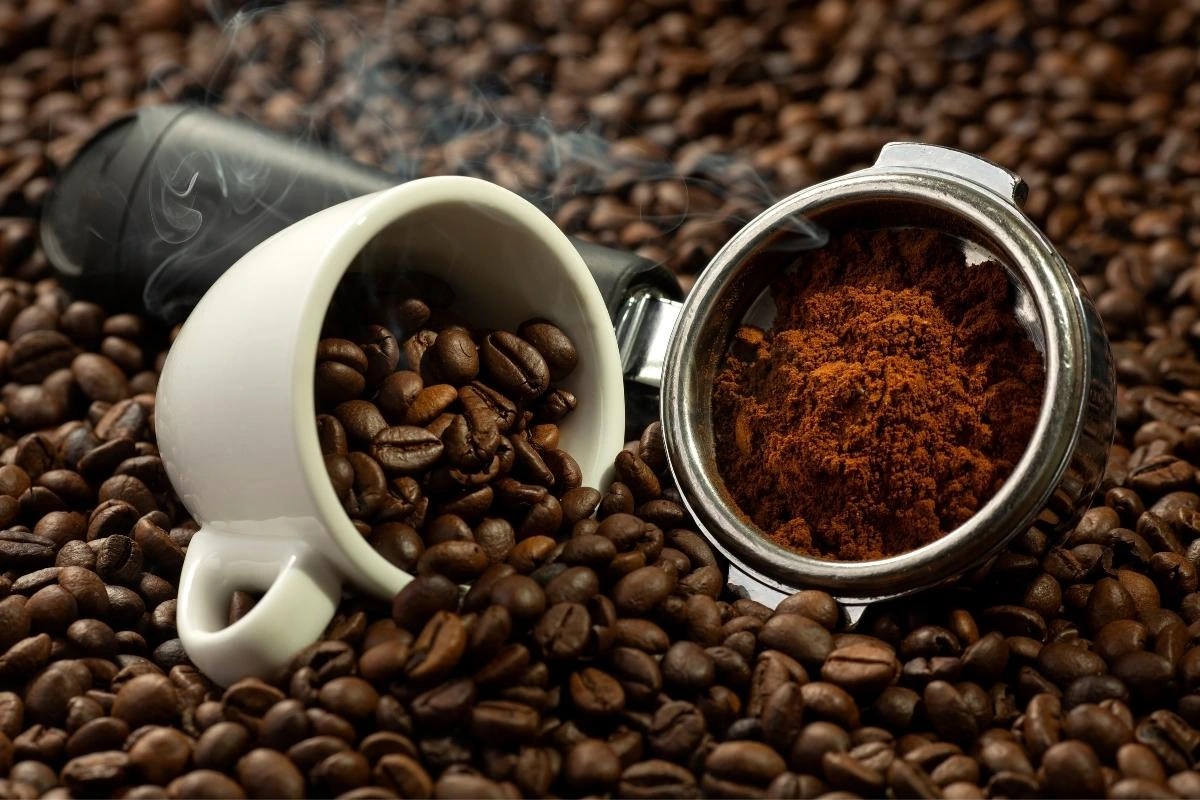
    Stand-up pouch coffee packaging for roasted beans with high barriers materialWhole coffee beans next to ground coffeeStand-up pouch coffee packaging for roasted beans with high barriers material

    Coffee Beans and Ground Coffee Have Different Protection Needs

    Coffee beans — the grind hasn’t happened yet, so aroma loss is slower, but barrier protection and proper sealing are still essentialGround coffee — has a larger surface area, making it more vulnerable to oxygen and moisture, so barrier protection is even more critical here

    The Right Pouch Should Match How Your Customer Uses the Product

    Consider the product format, storage needs, and purchase habitsA pouch that suits a café retail shelf may look different from one designed for online orders or gifting

    Coffee Beans and Ground Coffee Have Different Protection Needs

    Coffee beans — the grind hasn’t happened yet, so aroma loss is slower, but barrier protection and proper sealing are still essentialGround coffee — has a larger surface area, making it more vulnerable to oxygen and moisture, so barrier protection is even more critical here

    The Right Pouch Should Match How Your Customer Uses the Product

    Consider the product format, storage needs, and purchase habitsA pouch that suits a café retail shelf may look different from one designed for online orders or giftingWhole coffee beans next to ground coffee

    Packaging Should Also Work for the Customer at Home

    Easy to reseal and store after openingLooks good on a kitchen counter or pantry shelfRepresents your brand well beyond the point of purchase

    Packaging Should Also Work for the Customer at Home

    Easy to reseal and store after openingLooks good on a kitchen counter or pantry shelfRepresents your brand well beyond the point of purchase

    The Right Pouch Should Match How Your Customer Uses the Product

    Consider the product format, storage needs, and purchase habits. A pouch that suits a café retail shelf may look different from one designed for online orders or gifting.

    Easy to reseal and store after openingLooks good on a kitchen counter or retail shelfRepresents your brand well beyond the point of purchase

    Key Things to Consider When Choosing a Coffee Pouch

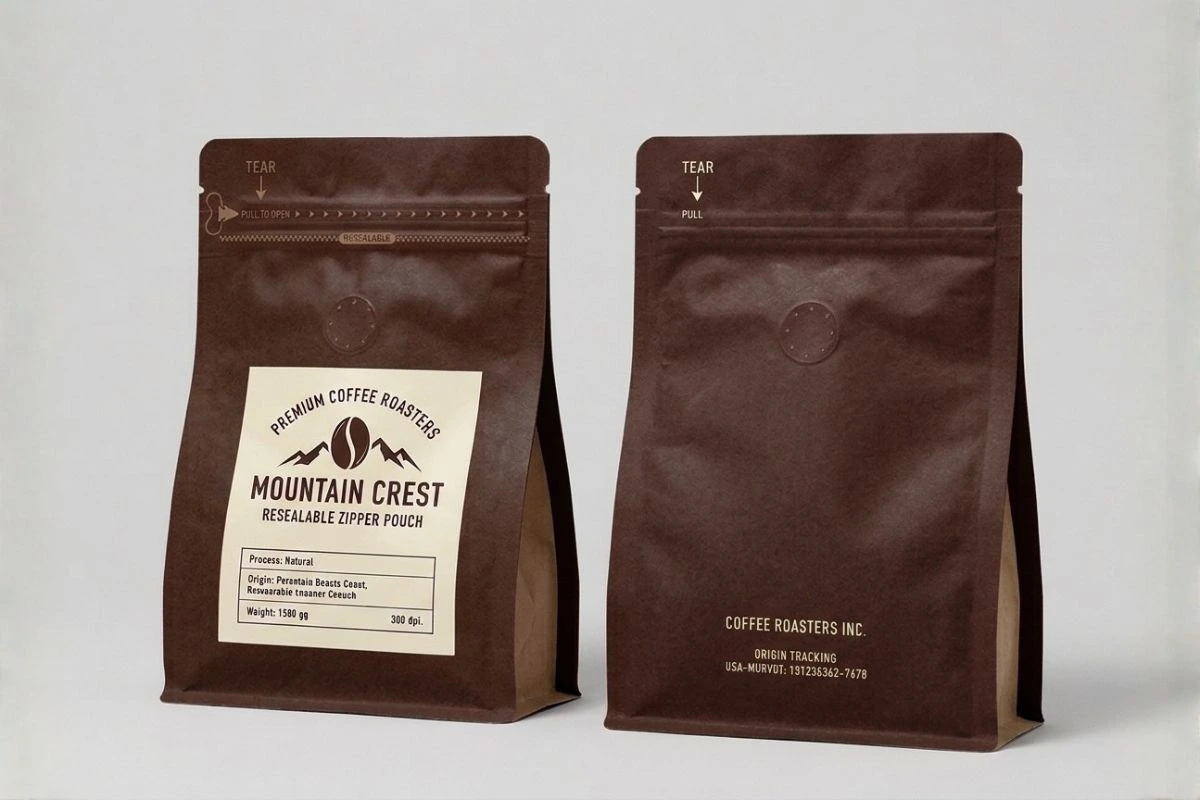
    Resealable zipper coffee pouch that helps keep roasted coffee beans fresh after opening

    Barrier Protection

    The most important technical decision you’ll make on your coffee packagingThe pouch material needs to block oxygen, moisture, and light from getting inA high-barrier structure helps your coffee stay fresh and aromatic for as long as possible

    Resealable Zipper

    The most important technical decision you’ll make on your coffee packagingThe pouch material needs to block oxygen, moisture, and light from getting inA high-barrier structure helps your coffee stay fresh and aromatic for as long as possible

    Pouch Size and Format

    Choose a size that matches how your customers actually buy coffee (200g, 250g, and 1kg are common retail formats)The pouch format should suit the product type (whole beans and ground coffee may have different density and weight considerations)A stand-up pouch is a popular choice because it holds its shape on shelves, is easy to store, and looks clean and professionalCoffee packaging with matte and glossy finishes for stronger brand presentation

    Finish and Branding

    The print finish and design of your pouch directly affect how your brand is perceived on the shelfMatte finish — gives a premium, understated look, popular with specialty and artisan coffee brandsGloss finish — brighter, more vibrant, suits bold or commercial brand identitiesWindow panels — let customers see the beans inside, which builds trust and adds visual appealLook at how established brands like Lavazza and Starbucks At Home package their retail coffee — their pouch designs are a good reference point for how finish and structure can signal quality and brand positioningResealable zipper coffee pouch that helps keep roasted coffee beans fresh after opening

    Barrier Protection

    The most important technical decision you’ll make on your coffee packagingThe pouch material needs to block oxygen, moisture, and light from getting inA high-barrier structure helps your coffee stay fresh and aromatic for as long as possible

    Resealable Zipper

    The most important technical decision you’ll make on your coffee packagingThe pouch material needs to block oxygen, moisture, and light from getting inA high-barrier structure helps your coffee stay fresh and aromatic for as long as possible

    Pouch Size and Format

    Choose a size that matches how your customers actually buy coffee (200g, 250g, and 1kg are common retail formats)The pouch format should suit the product type (whole beans and ground coffee may have different density and weight considerations)A stand-up pouch is a popular choice because it holds its shape on shelves, is easy to store, and looks clean and professionalCoffee packaging with matte and glossy finishes for stronger brand presentation

    Finish and Branding

    The print finish and design of your pouch directly affect how your brand is perceived on the shelfMatte finish — gives a premium, understated look, popular with specialty and artisan coffee brandsGloss finish — brighter, more vibrant, suits bold or commercial brand identitiesWindow panels — let customers see the beans inside, which builds trust and adds visual appealLook at how established brands like Lavazza and Starbucks At Home package their retail coffee — their pouch designs are a good reference point for how finish and structure can signal quality and brand positioning

    What Is One of the Most Convenient Coffee Packaging Setups?

    High barrier stand-up coffee pouch with resealable zipper for freshness protection

    A setup we see working really well for coffee brands is a stand-up pouch with three things combined:

    High-barrier film structure, to protect freshness and lock in aromaResealable zipper, so customers can keep the coffee fresh after opening

    This combination works because it covers all bases at once, which are product protection, customer convenience, and shelf presentation. It’s a practical, well-rounded setup that suits both whole bean and ground coffee formats, and it’s one of the most commonly recommended configurations for retail coffee packaging.

    How DigiPac Can Help

    At DigiPac, we help coffee roasters and brands find the right pouch setup for their product , from material and barrier selection to zipper options and print design, all working together.

    We offer custom packaging for coffee packaging with digital printing that suits both small and large orders, so you can launch or scale without committing to large minimums.

    From first brief to final delivery, we’re with you every step of the way.Reach out to us at DigiPac and let’s get your coffee packaging sorted.

    Request Quotation

    Frequently Asked Questions

    What is the best packaging for coffee beans in Malaysia?

    The best packaging for coffee beans in Malaysia is a high-barrier stand-up pouch with a resealable zipper. The barrier film blocks oxygen, moisture and light to keep the roast fresh, while the zipper lets your customer reseal the bag at home so the aroma is protected between brews.

    Do coffee pouches need a degassing valve?

    Freshly roasted coffee releases CO₂ for several days after roasting, so most retail coffee pouches use a one-way degassing valve. The valve lets gas escape so the pouch does not bloat, while still keeping oxygen out from the outside.

    Should I package whole beans and ground coffee differently?

    Both formats benefit from a high-barrier pouch, but ground coffee oxidises faster because of its larger surface area, so barrier protection and a tight reseal are even more critical for ground coffee than for whole beans.

    What pouch sizes work best for retail coffee?

    200g, 250g and 1kg are the most common retail coffee pouch sizes. Smaller sizes suit single-origin or speciality SKUs, while 1kg pouches are popular for café-grade and value packs.

    Can DigiPac do low-MOQ coffee pouches?

    Yes — DigiPac runs digitally printed custom packaging for both small and large orders, so coffee roasters can launch limited editions, single-origin runs or test new branding without committing to large minimum order quantities.

    Get in Touch

    Looking for eco-friendly packaging that reflects your brand?

    Lot 26 Rawang Integrated Industrial Park, 48000 Rawang, Selangor Darul Ehsan, Malaysia.

    +6012 308 8928

    info@digipac.com.my


    About

    HomeAbout UsSustainabilitySolutionsBlogContact Us

    Product and Service

    Stand-Up PouchesFlat PouchesLabelsFolding CartonServices

    © Copyright Vivar Packaging Sdn Bhd (914629V).  All Rights Reserved

  • What’s the Difference Between Zippers, Spouts, Barrier Films and Tear Notches?

    What’s the Difference Between Zippers, Spouts, Barrier Films and Tear Notches?

    What’s the Difference Between Zippers, Spouts, Barrier Films and Tear Notches?

    1 min readAssorted stand-up pouches featuring zippers, spouts, barrier films, and tear notch packaging for food products.

    When brands come to us, most already know they want a stand-up pouch, and it’s one of the most popular types of packaging we work with. It’s easy to see why: it’s light, it’s convenient, and it looks great on store shelves. But after the basic design, well, let’s just say the real questions begin.

    Do you need a zipper or a spout on your stand-up pouch? Does your product require a barrier film? What, exactly, is a tear notch, and do you even need one of those?

    We’ve gotten these questions a lot, so let’s break them all down for you.

    Why These Features Matter

    Every feature on a pouch exists for a reason, and whether they’ll want to buy it again.
    Here’s what we always tell our clients:

    Each Feature Serves a Different Purpose

    A zipper lets customers reseal the pouch after openingA spout controls how liquid pours outA barrier film is the material that shields your product from air, moisture, and lightA tear notch is a small cut that makes the pouch easier to open the first time

    None of these do the same job, using one as a substitute for another just doesn’t work

    Some Features Are About Convenience, Others Are About Protection

    Zippers and tear notches make life easier for the person using your productBarrier films work behind the scenes to make sure your product doesn’t degrade, go stale, or lose its smell before the customer even opens it

    You might need one, or you might need both. It depends entirely on what’s inside the pouch

    The Wrong Feature Can Make Your Product Harder to Use or Shorter-Lived

    A soy sauce pouch with a zipper but no spout. Every pour becomes a messA bag of ground coffee with no barrier protection sitting on a shelf for three months. By the time a customer buys it, the aroma is gone, and the taste is flat

    These are avoidable problems, but only if the right features are chosen from the start.

    Key Differences Between Each Feature

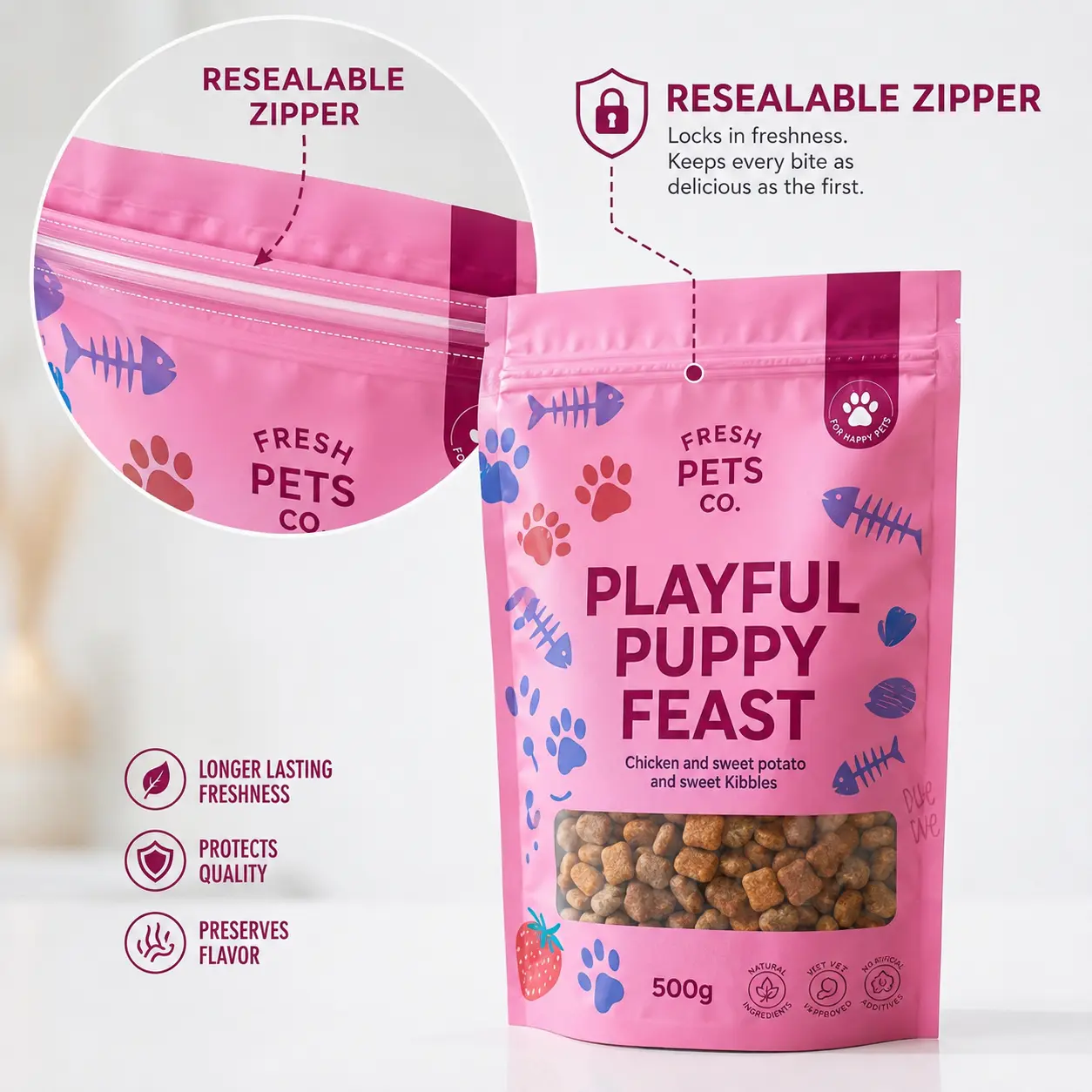
    Resealable zipper pouch packaging that keeps pet food fresh and easy to close

    Zippers

    A zipper is the resealable strip at the top of a pouch that lets customers open and close it multiple times.

    Works like a zip-lock (press to seal, pull to open)Keeps contents fresh after the first openingNo need to transfer food into another containerBest for: Coffee packaging, protein powder, dried fruits, trail mix, pet food packaging

    Spouts

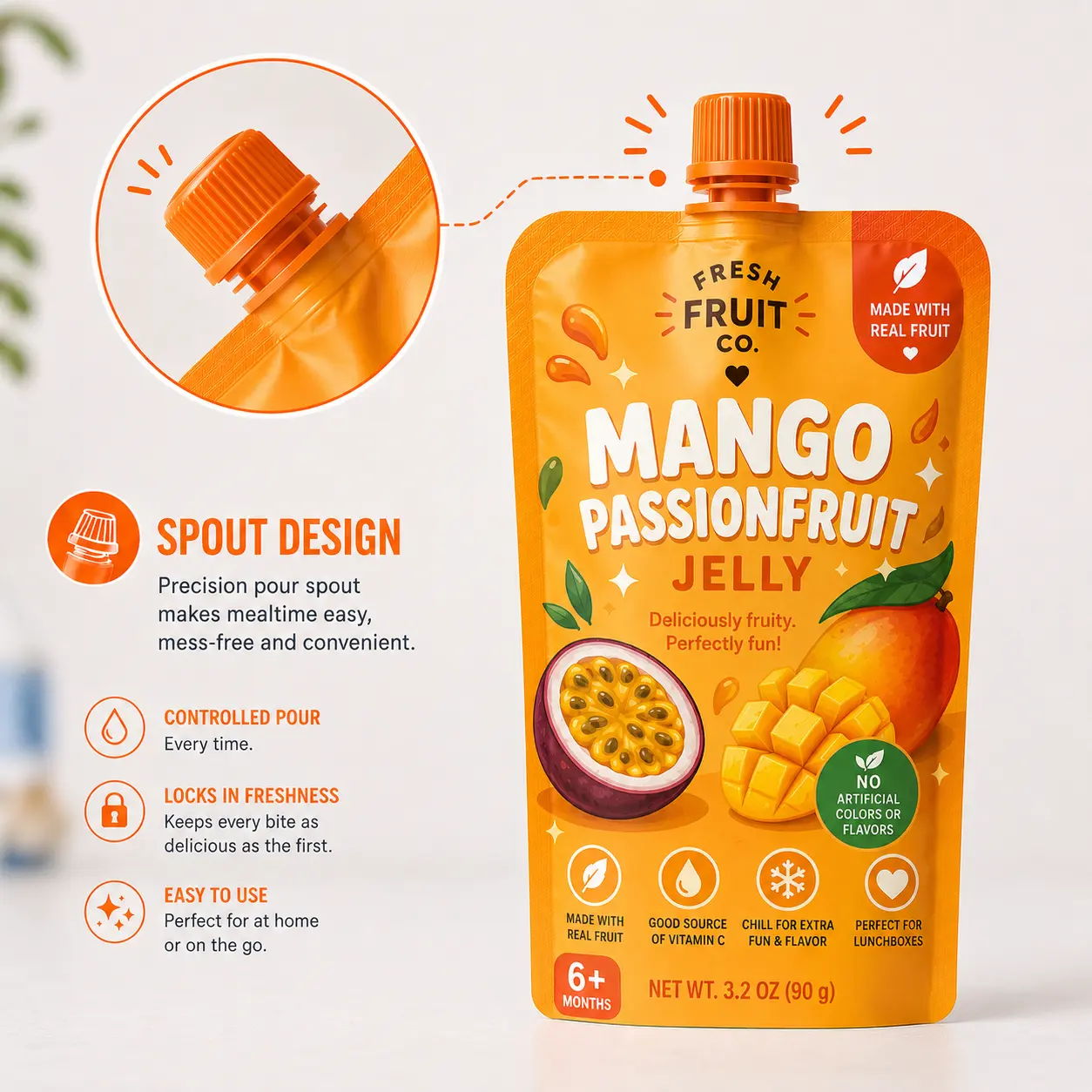
    A spout is a small nozzle or cap attached to a pouch for pouring or squeezing out liquid contents.

    Works like a bottle cap (twist open, pour, twist shut)Controls how much comes out, so there’s less messKeeps the opening clean and hygienic between usesBest for: Baby food, juice, sauces, liquid detergents, cosmetic packaging, refill productsSpout pouch packaging for fruit jelly with controlled pouring and freshness protectionSpout pouch packaging for fruit jelly with controlled pouring and freshness protection

    Spouts

    A spout is a small nozzle or cap attached to a pouch for pouring or squeezing out liquid contents.

    Works like a bottle cap (twist open, pour, twist shut)Controls how much comes out, so there’s less messKeeps the opening clean and hygienic between usesBest for: Baby food, juice, sauces, liquid detergents, cosmetic packaging, refill productsHigh barrier film pouch packaging that protects powder from moisture, oxygen and light

    Barrier Films

    Barrier film is the material the pouch is made from. You can’t see it working, but it’s what keeps your product fresh on the inside.

    Blocks moisture from getting in and softening dry productsPrevents air from oxidising coffee, nuts, or powdersLocks in aroma, so the product smells and tastes fresh for longerProtects against light damage for sensitive productsBest for: Coffee packaging, pharmaceutical packaging, cosmetic packaging, powders, supplementsTear notch pouch packaging that makes pet treats easy to open while preserving freshness

    Tear Notches

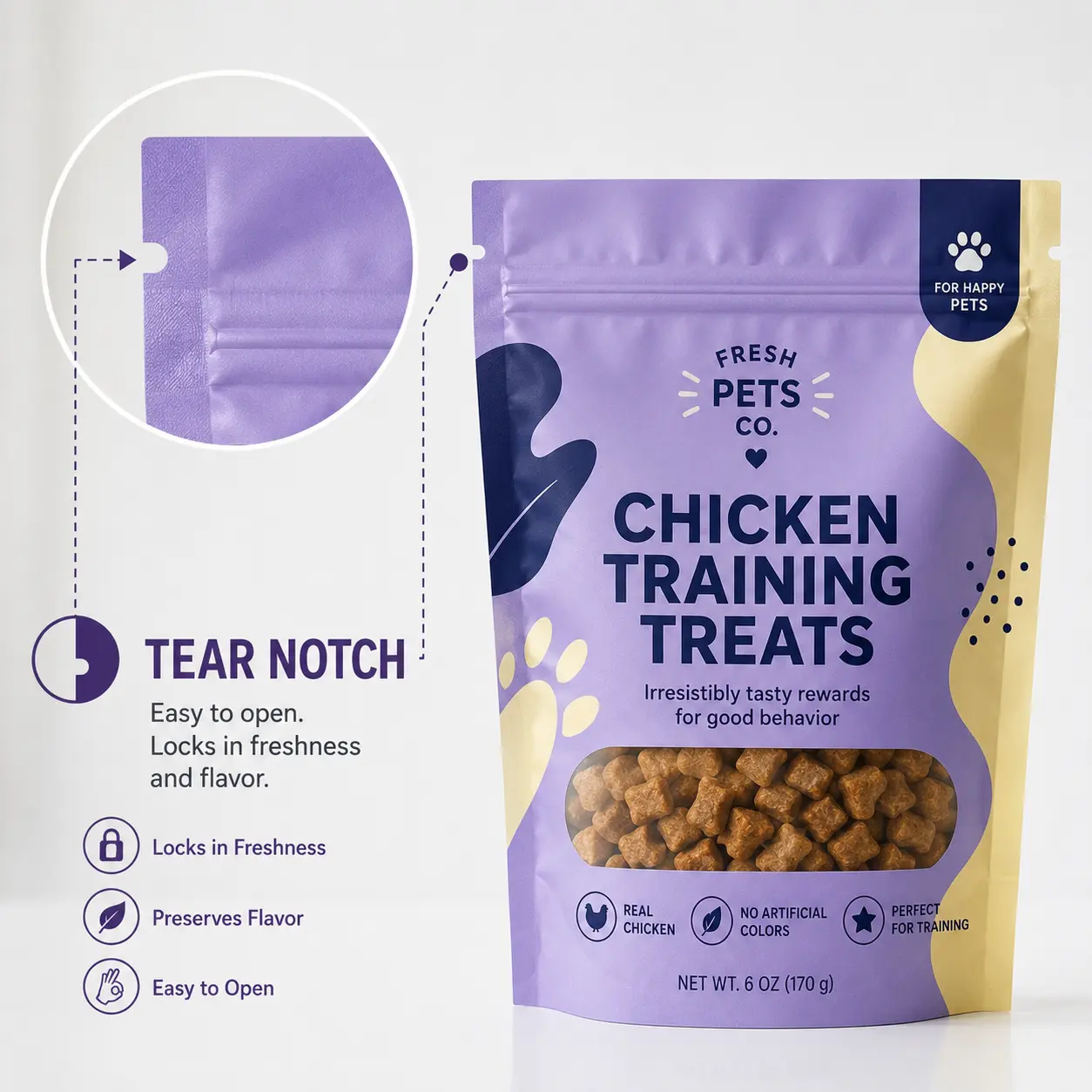
    A tear notch is a tiny cut on the edge of a pouch that gives you a starting point to tear it open cleanly.

    Works like the cut on a ketchup sachet (easy to find, easy to tear)No scissors needed, no struggling with stiff filmOften paired with a zipper (tear notch to open, zipper to reseal)Best for: Single-serve portions, on-the-go products

    Tear Notches

    A tear notch is a tiny cut on the edge of a pouch that gives you a starting point to tear it open cleanly.

    Works like the cut on a ketchup sachet (easy to find, easy to tear)No scissors needed, no struggling with stiff filmOften paired with a zipper (tear notch to open, zipper to reseal)Best for: Single-serve portions, on-the-go productsTear notch pouch packaging that makes pet treats easy to open while preserving freshness

    Quick Comparison Table

    .pouch-table-wrap { margin: 24px 0; color: #1f2937; }
    .pouch-table { width: 100%; border-collapse: collapse; }

    .pouch-table th,
    .pouch-table td {
    padding: 14px 16px;
    border: 1px solid #e5e7eb;
    text-align: left;
    vertical-align: top;
    }

    .pouch-table thead { background-color: #e6efea; }

    .pouch-table th {
    font-family: “Montserrat”, sans-serif;
    font-size: 25px;
    font-weight: 700;
    color: #013c29;
    }

    .pouch-table td {
    font-family: “Montserrat”, sans-serif;
    font-size: 20px;
    font-weight: 400;
    line-height: 1.5;
    background-color: #fff;
    }

    .pouch-table td.feature-name {
    font-family: “Montserrat”, sans-serif;
    font-size: 25px;
    font-weight: 700;
    color: #013c29;
    }

    .pouch-table tbody tr:nth-child(even) td {
    background-color: #fafafa;
    }

    @media (max-width: 640px) {
    .pouch-table thead { display: none; }

    .pouch-table,
    .pouch-table tbody,
    .pouch-table tr,
    .pouch-table td {
    display: block;
    width: 100%;
    }

    .pouch-table tr {
    margin-bottom: 16px;
    border: 1px solid #e5e7eb;
    border-radius: 8px;
    overflow: hidden;
    background-color: #fff !important;
    }

    .pouch-table tbody tr:nth-child(even) td {
    background-color: #fff;
    }

    .pouch-table td {
    border: none;
    border-bottom: 1px solid #f3f4f6;
    padding: 12px 16px;
    }

    .pouch-table td:last-child { border-bottom: none; }

    .pouch-table td::before {
    content: attr(data-label);
    display: block;
    font-family: “Montserrat”, sans-serif;
    font-weight: 700;
    color: #013c29;
    font-size: 14px;
    text-transform: uppercase;
    letter-spacing: 0.04em;
    margin-bottom: 4px;
    }

    .pouch-table td.feature-name {
    background-color: #e6efea !important;
    font-size: 25px;
    font-weight: 700;
    color: #013c29;
    }

    .pouch-table td.feature-name::before {
    display: none;
    }
    }

    Feature
    Primary Job
    How It Works
    Best Suited For

    Zipper
    Reseal after opening
    Press / pull zip-lock strip
    Coffee, protein, snacks, pet food

    Spout
    Controlled pour for liquids
    Twist-cap nozzle on the pouch
    Juice, sauces, baby food, detergents, refills

    Barrier Film
    Protect contents from air, moisture & light
    Multi-layer film built into the pouch
    Coffee, supplements, pharma, cosmetics, powders

    Tear Notch
    Clean, easy first opening
    Small V-cut starting point in the seal
    Sachets, single-serve, on-the-go

    Common Mistakes When Comparing These Features

    1234

    Thinking All Features Do the Same Thing

    A zipper cannot replace a spoutA tear notch does not protect your productEach feature has one job; pick the one that matches your product’s actual need

    Choosing Based on Looks Instead of Function

    Just because it looks premium doesn’t mean it works for your productAsk yourself: how will my customer actually use this?If the feature doesn’t match real usage, it creates more problems than it solves

    Forgetting About Protection

    Many brands focus on closures but ignore the film materialIf your product is sensitive to air, moisture, or light (barrier film matters most)A pouch that looks great but doesn’t protect your product is a wasted investment

    Mismatching Features to How the Product Is Used

    A single-serve sachet doesn’t need a zipper (it’s used once and thrown away)A 1kg coffee bag almost always needs one (customers use it over weeks)Simple rule: think about how your customer uses the product, then choose the feature1234

    Thinking All Features Do the Same Thing

    A zipper cannot replace a spoutA tear notch does not protect your productEach feature has one job; pick the one that matches your product’s actual need

    Choosing Based on Looks Instead of Function

    Just because it looks premium doesn’t mean it works for your productAsk yourself: how will my customer actually use this?If the feature doesn’t match real usage, it creates more problems than it solves

    Forgetting About Protection

    Many brands focus on closures but ignore the film materialIf your product is sensitive to air, moisture, or light (barrier film matters most)A pouch that looks great but doesn’t protect your product is a wasted investment

    Mismatching Features to How the Product Is Used

    A single-serve sachet doesn’t need a zipper (it’s used once and thrown away)A 1kg coffee bag almost always needs one (customers use it over weeks)Simple rule: think about how your customer uses the product, then choose the feature

    How We Help at DigiPac

    At DigiPac, we start by listening to your needs. Before we recommend anything, we ask about your product, how it’s used, and how it’s stored, so our advice actually fits your situation, not just a generic template.

    We offer custom packaging across stand-up pouches, flat pouches, folding carton and label with digital printing that works for small and large orders alike. From the moment you brief us to the day your packaging arrives at your door, we’re involved at every step , from design to material selection, print, and delivery. You won’t be passed around or left to figure things out on your own. We make sure the process is smooth, clear, and stress-free from start to finish.

    Ready to Choose the Right Pouch for Your Product?

    Every feature has a specific job, a zipper keeps products fresh between uses, a spout makes liquids easier to pour, a barrier film protects against air and moisture, and a tear notch makes the first opening clean and simple. The right combination depends entirely on your product and how your customer uses it.

    Getting this right from the start saves you time, money, and a lot of back-and-forth down the line. If you’re not sure which features your product needs, that’s exactly what we’re here for.

    Reach out to us at DigiPac, and we’ll walk you through the options.

    Request Quotation

    Frequently Asked Questions

    Do I need both a zipper and a tear notch on a pouch?

    If your product is used over multiple sessions, yes — the tear notch gives a clean first open and the zipper handles every reseal afterwards. If your pouch is single-serve, you only need the tear notch.

    What is a barrier film and why does it matter?

    A barrier film is the multi-layer material the pouch itself is made from. It blocks oxygen, moisture and light from reaching your product, which is what keeps coffee aromatic, supplements potent and snacks crisp through the full shelf life.

    Can a zipper replace a spout for liquid products?

    No. A zipper reseals an opening but does not control how liquid pours out, so you’ll get spills, drips and a messy pouch. Liquids always need a spout.

    Where is a tear notch placed on a pouch?

    Tear notches are typically placed just below the top heat seal, around 5–10 mm down. That keeps the seal intact while still giving the customer an easy starting point to tear the pouch open.

    How does DigiPac decide which features my product needs?

    DigiPac starts with the product itself — what it is, how it’s stored, how the customer uses it — and then recommends the closure and film combination that matches. The goal is the right pouch for your product, not a generic template.

    Get in Touch

    Looking for eco-friendly packaging that reflects your brand?

    Lot 26 Rawang Integrated Industrial Park, 48000 Rawang, Selangor Darul Ehsan, Malaysia.

    +6012 308 8928

    info@digipac.com.my

    About

    HomeAbout UsSustainabilitySolutionsBlogContact Us

    Product and Service

    Stand-Up PouchesFlat PouchesLabelsFolding CartonServices

    © Copyright Vivar Packaging Sdn Bhd (914629V).  All Rights Reserved