


How to Choose the Right Stand-Up Pouch for Your Product

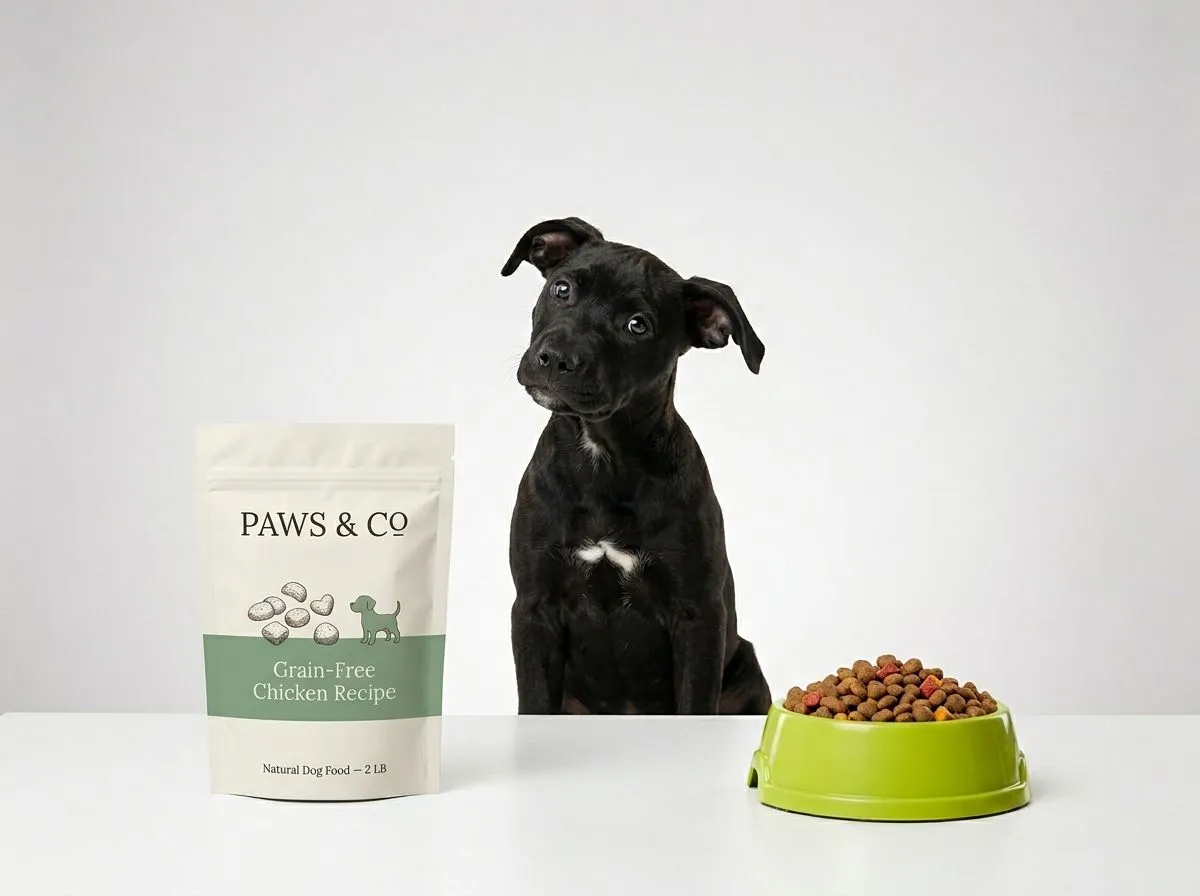
If you already have a product but you are stuck on which pouch to put it in, this guide is for you. The right stand up pouch is not just a container — it is a freshness barrier, a usability tool, and a shelf-level salesperson all at once. Choose well and your product reaches customers tasting and looking the way it should. Choose poorly and you will deal with stale stock, returns, or a packaging line that does not run cleanly.
The global stand up pouch market is valued at USD 35.64 billion in 2025 and is projected to grow at an 8.15% CAGR through 2035, driven mainly by food and beverage, pet care, and personal care brands moving away from rigid containers.
Stand up pouches are widely used across dry goods, powders, coffee, pet treats, and some frozen products, while spout pouches are typically used for liquids and refills.
table of Contents
No elements found...
If You Only Have the Product but Don't Know Which Pouch to Choose
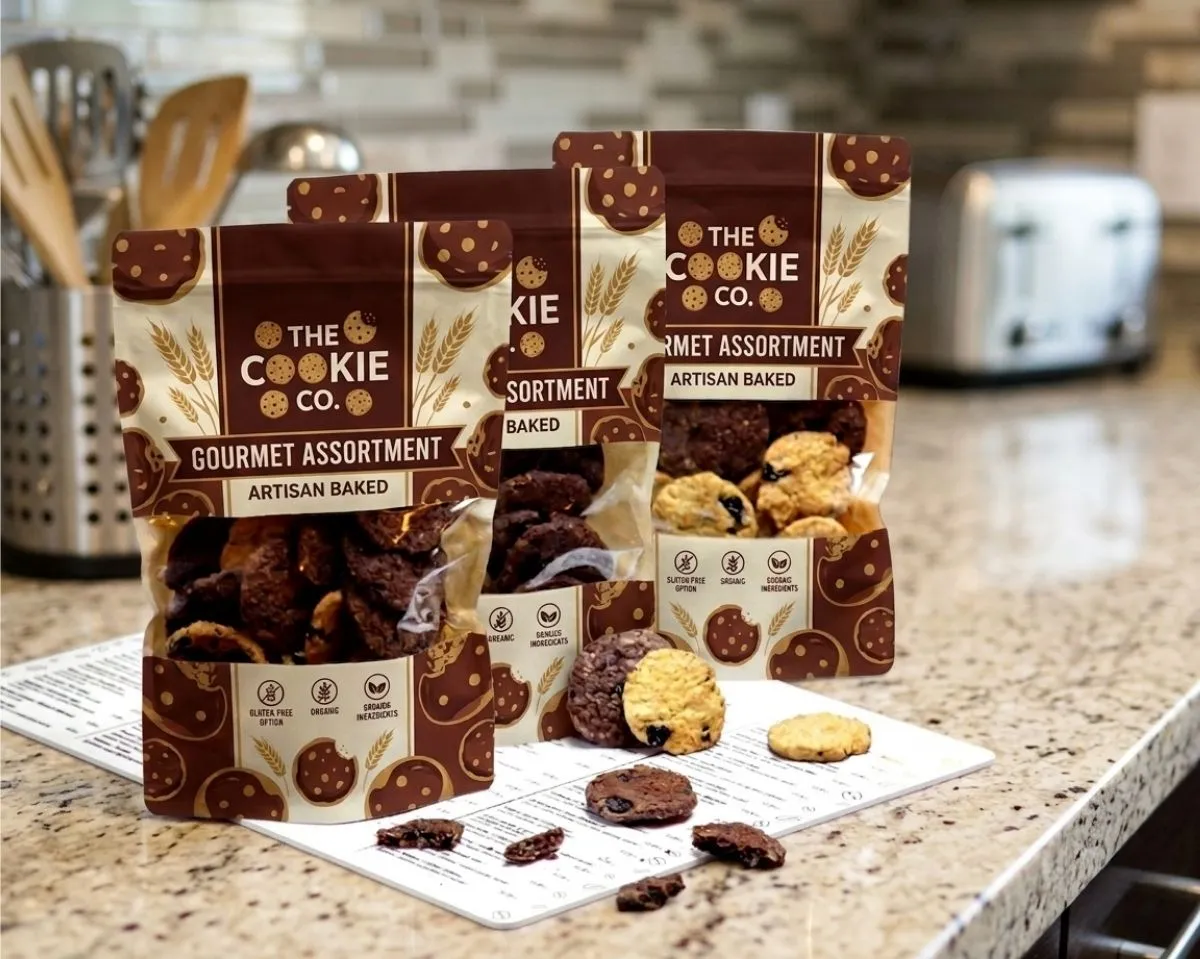
You do not need technical packaging knowledge to start. A stand up pouch is chosen based on four practical inputs: your product type, how it will be used, how much protection it needs, and which convenience features matter to your customer. Most first-time buyers know their product inside-out but have never specified a pouch. That is the normal starting point.
The fastest path is to walk through these four inputs with a packaging supplier who can match each one to a film structure, a pouch size, and a finishing option. You should not need to learn film laminations or barrier ratings before placing your first order. Your supplier should narrow the spec with you, step by step.
How to Choose the Right Stand-Up Pouch For Your Brand
Six questions, in order. Answer each one and you have the spec for your first run.
Step 1: Identify Your Product Format
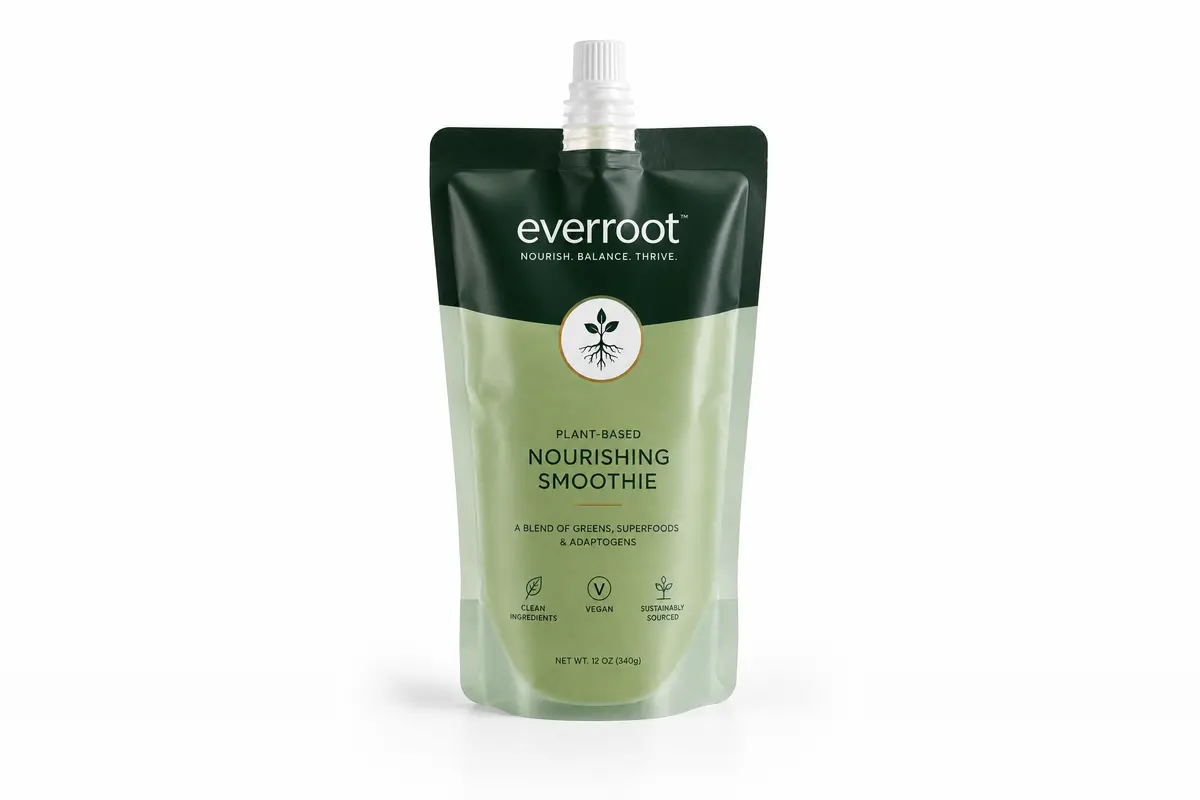
Match the pouch type to the physical format of the product. Dry snacks, coffee beans, powders, and pet treats fit comfortably in a standard stand up pouch. Liquids, sauces, and refill products are better suited to a spout pouch.
A spout pouch is essentially a stand up pouch with an integrated dispensing fitment. Spouted pouches can dispense up to 99.5% of their contents — a meaningful number of liquids that would otherwise leave residue in a glass bottle. Refill pouches are growing fastest in this category: shampoo and cleaning refills paired with a 'hero' rigid bottle reduce plastic use by over 70% versus shipping a new bottle each time, which is why brands are pivoting to refills as a sustainability lever.
Step 2: Decide How the Pouch Will Be Used
A pouch opened once needs different features from a pouch opened daily. If customers will reach into the pouch many times, plan for a reseal mechanism. If it is used once and consumed, plan only for first-open convenience.
Resealable zippers are no longer a luxury feature. Consumers actively recognise resealable packaging at the shelf and choose it 'regardless of price' because it preserves freshness between uses.
Step 3: Decide How Much Protection Your Product Needs
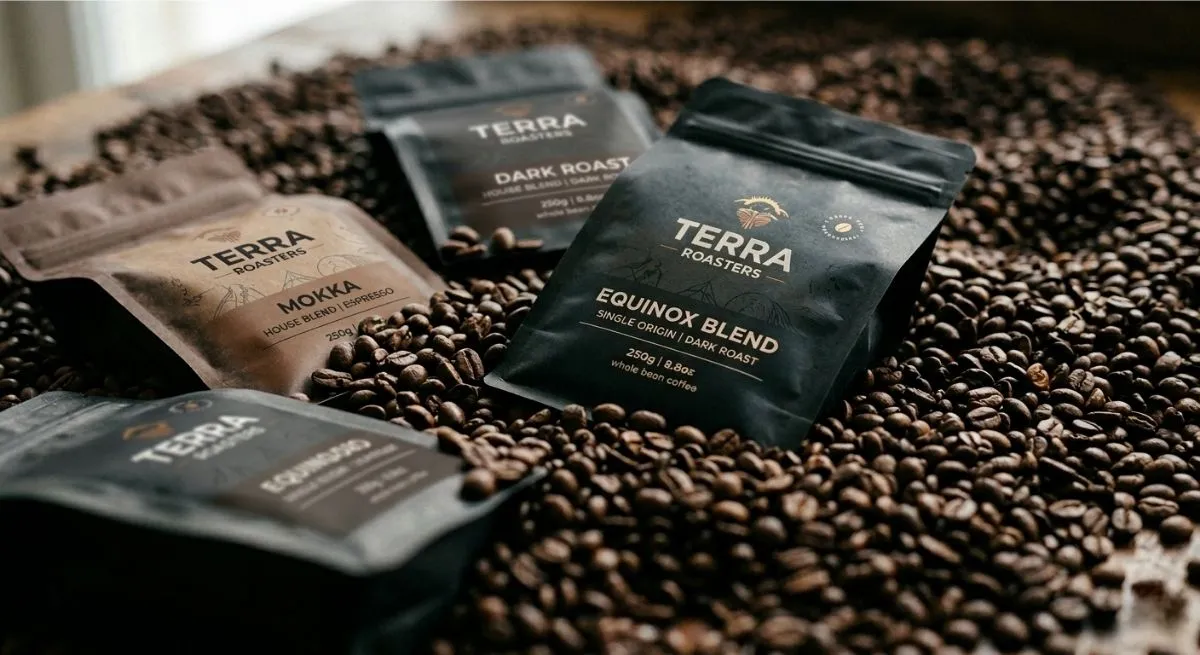
If your product is sensitive to oxygen, moisture, or aroma loss, you need a high-barrier film. If it is shelf-stable and not perishable, a standard film is enough.
A real high-barrier pouch barely lets any air through, which is what keeps coffee smelling fresh for months instead of weeks. Roasted coffee also needs a one-way valve — a tiny vent that lets the natural gas from the beans escape without letting oxygen sneak back in. It's a small detail, but it makes a big difference to how long the coffee stays good.
Step 4: Match Pouch Size to Product Quantity
Pouch size should follow product weight and intended sales channel — not the other way around. A trial pack, an everyday retail pack, and a bulk or food-service pack are three different SKUs, and each needs its own size.
Picking the right size early avoids two costly mistakes: pouches that look half-empty on shelf, and pouches that bulge and put stress on the seal.
Step 5: Add the Right Convenience Features
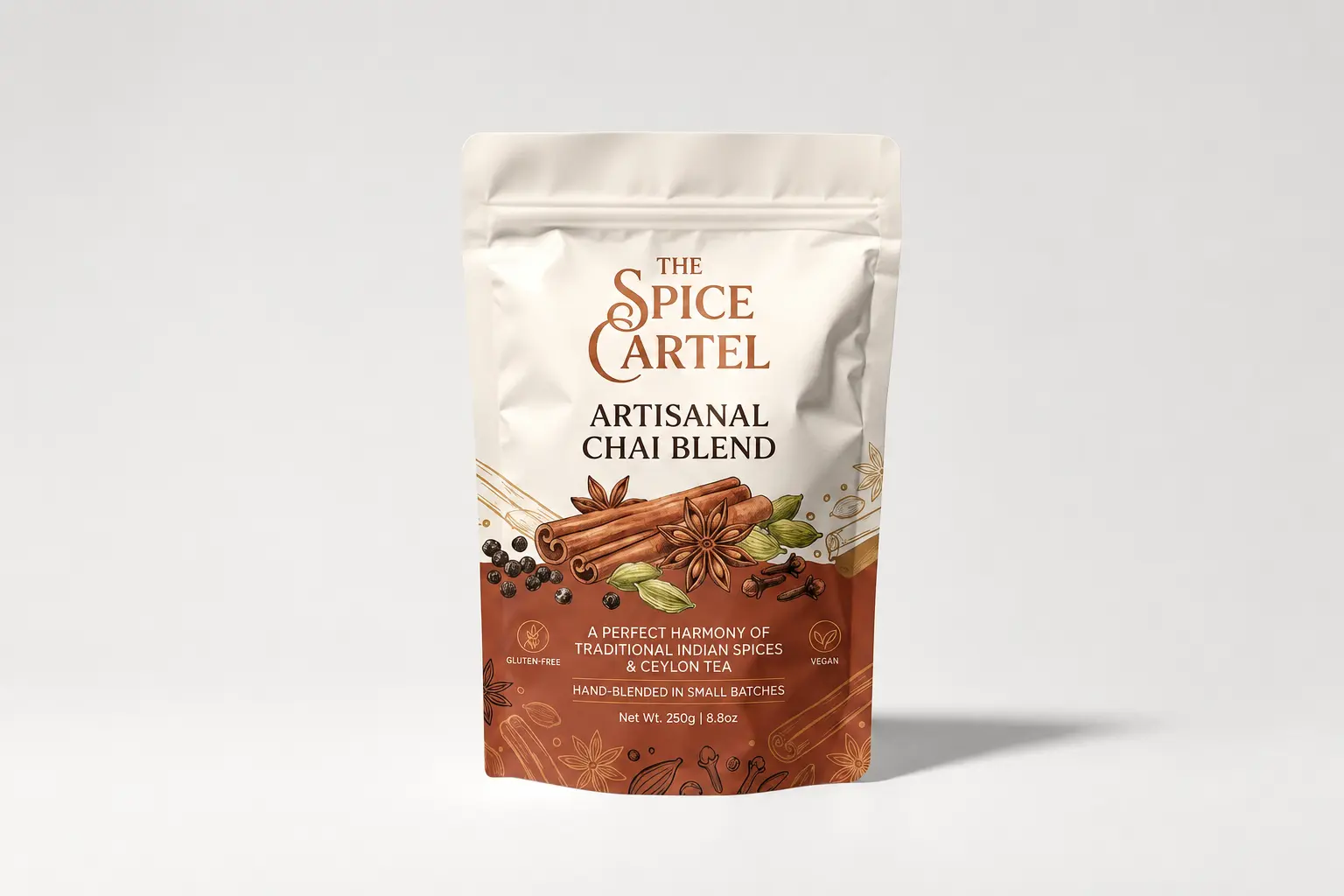
Convenience features are bolted onto the base pouch — choose only the ones your customer will actually use. Adding every feature inflates the unit price without improving the customer experience.
Our stand-up-pouch range supports zippers, tear notches, spouts, carry handles, hang hole punches, spot UV, matt varnish, custom die-cuts, round corners, and variable data printing — so a single supplier can deliver the full feature stack without juggling sub-vendors.
Step 6: Think About Branding and Shelf Impact
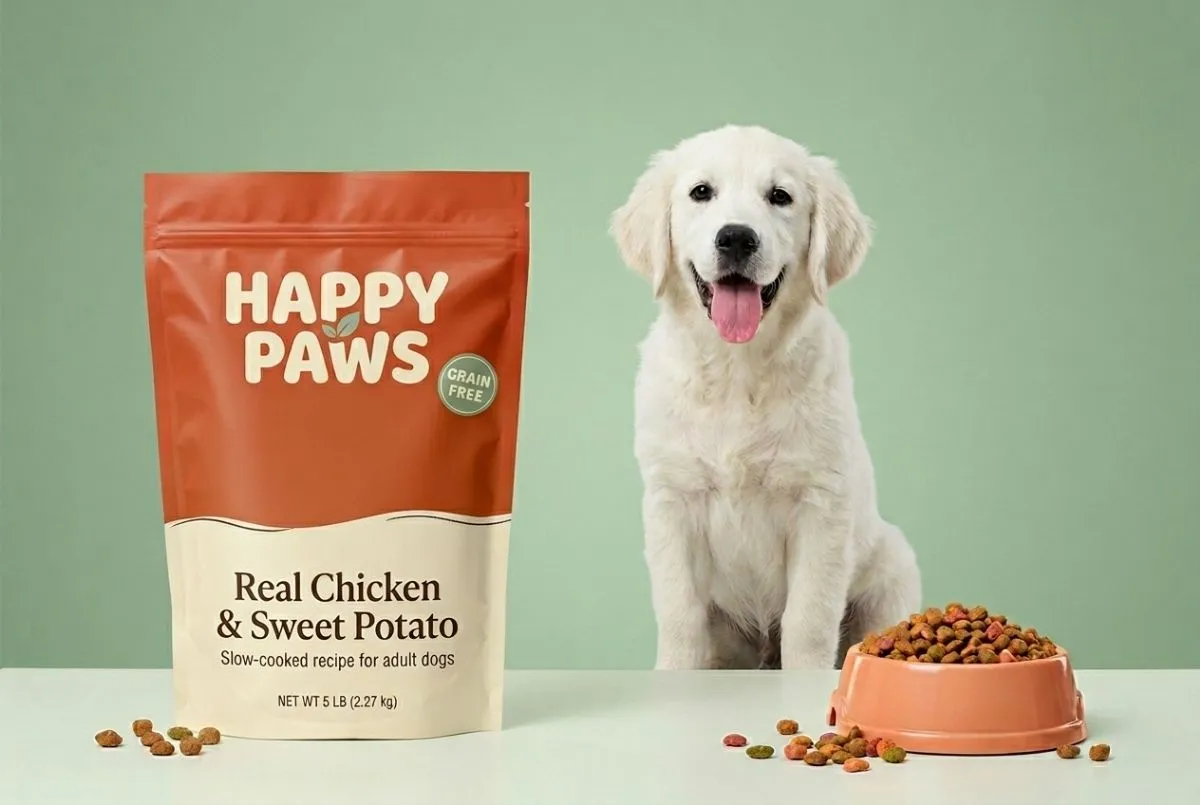
After the pouch works for the product, it needs to work for the brand. Print finish, layout, and shelf orientation are what convert a passing shopper into a buyer.
Six questions, in order. Answer each one and you have the spec for your first run.
Step 1: Identify Your Product Format
Match the pouch type to the physical format of the product. Dry snacks, coffee beans, powders, and pet treats fit comfortably in a standard stand up pouch. Liquids, sauces, and refill products are better suited to a spout pouch.
A spout pouch is essentially a stand up pouch with an integrated dispensing fitment. Spouted pouches can dispense up to 99.5% of their contents — a meaningful number of liquids that would otherwise leave residue in a glass bottle. Refill pouches are growing fastest in this category: shampoo and cleaning refills paired with a 'hero' rigid bottle reduce plastic use by over 70% versus shipping a new bottle each time, which is why brands are pivoting to refills as a sustainability lever.
Step 2: Decide How the Pouch Will Be Used
A pouch opened once needs different features from a pouch opened daily. If customers will reach into the pouch many times, plan for a reseal mechanism. If it is used once and consumed, plan only for first-open convenience.
Resealable zippers are no longer a luxury feature. Consumers actively recognise resealable packaging at the shelf and choose it 'regardless of price' because it preserves freshness between uses.
Step 3: Decide How Much Protection Your Product Needs
If your product is sensitive to oxygen, moisture, or aroma loss, you need a high-barrier film. If it is shelf-stable and not perishable, a standard film is enough.
A real high-barrier pouch barely lets any air through, which is what keeps coffee smelling fresh for months instead of weeks. Roasted coffee also needs a one-way valve — a tiny vent that lets the natural gas from the beans escape without letting oxygen sneak back in. It's a small detail, but it makes a big difference to how long the coffee stays good.
Step 4: Match Pouch Size to Product Quantity
Pouch size should follow product weight and intended sales channel — not the other way around. A trial pack, an everyday retail pack, and a bulk or food-service pack are three different SKUs, and each needs its own size.
Picking the right size early avoids two costly mistakes: pouches that look half-empty on shelf, and pouches that bulge and put stress on the seal.
Step 5: Add the Right Convenience Features
Convenience features are bolted onto the base pouch — choose only the ones your customer will actually use. Adding every feature inflates the unit price without improving the customer experience.
Our stand-up-pouch range supports zippers, tear notches, spouts, carry handles, hang hole punches, spot UV, matt varnish, custom die-cuts, round corners, and variable data printing — so a single supplier can deliver the full feature stack without juggling sub-vendors.
Step 6: Think About Branding and Shelf Impact
After the pouch works for the product, it needs to work for the brand. Print finish, layout, and shelf orientation are what convert a passing shopper into a buyer.
Common Mistakes to Avoid
Most first-time pouch buyers go wrong in five predictable ways. Catch them before sign-off and you save a printing run.
Conclusion
The right stand up pouch should suit the product, support freshness or usability, and fit the brand's packaging goals. Get those three things right and the pouch becomes a quiet asset on the shelf rather than a recurring problem.
If you have the product but not the pouch spec yet, talk to us. Our team will walk through the six-step framework above with you and come back with a stand-up-pouch spec that is matched to your product, your volume, and your brand.
Get in Touch
Looking for eco-friendly packaging that reflects your brand?

Lot 26 Rawang Integrated Industrial Park,
48000 Rawang,
Selangor Darul Ehsan,
Malaysia.
About
Product and Service
© Copyright Vivar Packaging Sdn Bhd (914629-V). All Rights Reserved